Category: technology | 技術 | 기술 | テクノロジー

It’s hard to explain to someone who didn’t live through it how transformation technology has been. When I was a child a computer was something mysterious. My Dad has managed to work his way up from the shop floor of the shipyard where he worked and into the planning office.

One evening he broad home some computer paper. I was fascinated by the the way the paper hinged on perforations and had tear off side edges that allowed it to be pulled through the printer with plastic sprockets connecting through holes in the paper.

My Dad used to compile and print off work orders using an ICL mainframe computer that was timeshared by all the shipyards that were part of British Shipbuilders.

I used the paper for years for notes and my childhood drawings. It didn’t make me a computer whiz. I never had a computer when I was at school. My school didn’t have a computer lab. I got to use Windows machines a few times in a regional computer labs. I still use what I learned in Excel spreadsheets now.

My experience with computers started with work and eventually bought my own secondhand Mac. Cut and paste completely changed the way I wrote. I got to use internal email working for Corning and internet connectivity when I went to university. One of my friends had a CompuServe account and I was there when he first met his Mexican wife on an online chatroom, years before Tinder.

Leaving college I set up a Yahoo! email address. I only needed to check my email address once a week, which was fortunate as internet access was expensive. I used to go to Liverpool’s cyber cafe with a friend every Saturday and showed him how to use the internet. I would bring any messages that I needed to send pre-written on a floppy disk that also held my CV.

That is a world away from the technology we enjoy now, where we are enveloped by smartphones and constant connectivity. In some ways the rate of change feels as if it has slowed down compared to the last few decades.

  • Danger Hiptop

    Thinking about the Danger HIptop

    When I was reflecting on the Danger Hiptop I was reminded of an article which talked about the collective memory of London’s financial district being about eight years or so. Financiers with beautifully crafted models in Excel would be doomed to make the same mistake as their predecessors.

    Marketers make the same mistakes, not being able to draw on the lines of universal human behaviour when it meets technology. Today’s obsession with the ‘dark social’ of OTT messaging platforms is very reminiscent of the culture that grew up around the Danger Hiptop. The  Hiptop drove a use of instant messaging platforms (Yahoo!, Aol and MSN) in a similar way to today’s use of Kik, Facebook Messenger and WhatsApp by young people.

    Heritage

    Danger was started back in 1999, by veterans from Apple, Philips and WebTV.

    Back then mobile data was very primitive, email was slow and the only people I knew who used mobile data on a regular basis were press photographers, sending images back from early digital SLRs using a laptop connected up to their phone. At this time it was still sometimes easier to bike images over. 3G wireless was on the horizon, but there wasn’t a clear use case.

    Apple was not the force it is now, but recovering from a near death experience. The iMac, blue and white G3 tower units and ‘Wall Street’ laptops reignited belief in core customers. Mac OSX Server 1.0 was released in March that year and pointed to the potential that future Macs would have.

    WebTV at the time was a company that felt like it was at the apex of things. Before the internet took off, companies like Oracle and BT had tried providing interactive TV services including CD ROM type experiences and e-commerce in a walled garden environment. This was based on having a thin client connected to a TV as monitor. WebTV took that idea and built upon the internet of the mid-1990s. It wasn’t appreciated how commoditised the PC market would become over time. They were acquired by Microsoft in 1997,  later that year they would also buy Hotmail.

    At the time, Philips was a force to be reckoned with in consumer electronics and product design. The company had a diverse portfolio of products and a reputation for unrewarded innovation including the compact cassette, interactive CD media and audio compact discs. Philips was the company that the Japanese wanted to beat and Samsung still made third-rate televisions.

    Some of them were veterans of a failed start-up called General Magic that had spun out of Apple. A technology super-team of engineers and developers came up with a wireless communicator device that failed in the market place.  It’s name became a byword for a failed start-up years later.  Talent was no predictor of success. General Magic was the silicon valley equivalent of Manchester United getting relegated and going bankrupt in a single season. So it is understandable that they may have been leery of making yet another wireless device.

    The device

    The Danger Hiptop was unapologetically a data first device. It was a thick device with a sliding screen which revealed a full keyboard and four-way directional button to move the cursor. On later devices this became a trackball. The screen was a then giant 240 x 160 pixels in size. It became available in colour during the device’s second iteration, later devices had a screen that was 854 pixels wide.

    I was large enough provide a half decent browsing experience, read and write messages and email. It was held in landscape arrangement and the chunky frame worked well in a two handed hold not that different from a games console controller, with thumb based typing which worked better than the BlackBerry keyboard for me.  Early devices allowed you to move around the screen with four-way rocker switch. Later devices had a trackball. This keyboard rather than touchscreen orientation made sense for two reasons:

    • Touchscreen were much less responsive than they are now
    • It enabled quick fire communication in comparison to today’s virtual smartphone keyboard

    Once the device went colour it also started to have LEDs that lit up for ringing and notifications, providing the kind of visual cues enjoyed by Palm and BlackBerry owners.

    The Hiptop had a small (even by Symbian standards) amount of apps, but these were held in an app store. At the time, Symbian had signed apps as a precaution against malware, but you would usually download the apps from the maker’s website or the likes of download.com or TUCOWS and then side load on to the device from a Mac or PC.

    The Hiptop didn’t need the mediation of a computer, in this respect it mirrored the smartphones of today.

    Product life

    When Danger was launched in 2002, carriers had much more sway over consumers. The user experience of devices was largely governed by carriers who usually made a mess of it. They decided what the default applications on a device and even the colour scheme of the default appearance theme.

    The slow rise of the Danger Hiptop to popularity was because it had a limited amount of channels per market. In the UK it was only available via T-Mobile (now EE).

    In the US, the Hiptop became a cult item primarily because IM had grown in the US in a similar way to SMS usage in Europe.

    Many carriers viewed Hiptop as a competitor to BlackBerry and refused to carry it in case it would cannibalise sales.

    Danger was acquired in 2008 and that is pretty much when the death of the Hiptop set in as Microsoft acquired the team to build something different. An incident with the Danger data centres losing consumers data and taking two months to restore full service from a month-old back-up didn’t help things. It was a forewarning of how dependent on cloud services that users would become.

    Danger held much user data and functionality in the cloud, at the time it made sense as it kept the hardware cheaper. Danger devices came with a maximum of 2GB internal memory.

    Even if Microsoft hadn’t acquired Danger, the Danger would have been challenged by the rise of both Android and iOS. Social platforms like Facebook would have offered both an opportunity and a challenge to existing messenger relationships. Finally the commoditisation of hardware would have made it harder for the Hiptop to differentiate on value for its millennial target market. More gadget related posts here.

  • Return of Mao + more news

    Return of Mao

    The return of Mao: a new threat to China’s politics — FT.com – interesting how it has merged with folk religion. Return of Mao is a cargo cult for people who want to return to more egalitarian times, even if everyone was poorer. The return of Mao is probably not looking for the kind of bloodshed that the Chairman had previously wrought with 40 to 70 million Chinese killed. The biggest threat is that the return of Mao delegitimatises the Communist Party of China. The return of Mao might represent a kind of Chinese populism that views the modern party and princelings as just as much of a swamp as the government of Chiang Kai-shek and feudal landlord families of old

    Business

    WSJ City – Brexit Torpedoes UK’s RBS Plans – Brexit left 10 billion pound hole in valuation which was still less than the government pumped into the bank in the first place

    Consumer behaviour

    Deloitte Mobile Consumer 2016 – peak smartphone

    Economics

    Government forced to release ‘secret arguments’ for triggering Article 50 ahead of legal challenge against Brexit | The Independent – individuals can have fundamental rights conferred by acts of parliament stripped away if and when the executive withdraws from the treaties on which they are based – and if this doesn’t get Labour concerned about Brexit nothing will

    Five thoughts inspired by three days in Liverpool | CityMetric – all good points that explain that whilst I like Liverpool, I haven’t gone back to live there

    Innovation

    The web is past peak innovation: It’s all negative returns from here | The Register – so it probably won’t lift the world out of its economic funk

    Fakes, Pirates, and Shanzhai Culture | ChinaFile – great podcast on shanzhai

    This is the first Adidas shoe made almost entirely by robots – Recode  – More than 70 percent of Adidas’ sales comes from products less than one year old. Although this is only the beginning of the company’s robot shoemaking factories, the ability to make products on demand and as needed, as opposed to creating large stockpiles of inventory, could upend and decentralize current manufacturing processes

    Luxury

    The Luxury Dark Web Trade of Disneyland Tickets and Dinners for Two | Motherboard – makes a change from assassinations, drugs, firearms and child porn

    Auction houses lose Hong Kong watch department heads as sales collapse — FT.com – corruption crackdowns and move to vintage pieces

    LVMH’s Digital Drive Takes Time Despite Apple Hire | Business of Fashion – these things take time and Ian is smart enough to do it

    Media

    BBC to demand logins for iPlayer in early 2017 | The Register – pulling together data that would be handy for advertising?

    Snapchat’s Mysterious ‘Snap to Unlock’ Ads Start to Pop Up | Digital – AdAge – copied from LINE and WeChat with a hint of Microsoft Tag

    Mark Ritson: Facebook’s erroneous video metrics show no one has a clue about digital | Marketing Week – the shadowy box of turds and spiders that is programmatic to the increasingly complex and deluded world of digital views, the idea that digital marketing is more analytical and attributable than other media is clearly horseshit

    HK Magazine to close, SCMP blames ‘dire’ English language print market conditions – Mumbrella Asia – “In the past few years, HK Magazine has been subjected to very challenging market conditions, which were especially dire for English-language lifestyle print media. Furthermore, the volatile advertising landscape, diminishing profitability from display advertising and event business further thwarted the magazine’s sustainability in the foreseeable future.” – the contrarian editorial line probably hasn’t helped either. Good magazine sorry to see it go

    Online

    New Yorkers Can Now Get Unlimited Uber For $100 | Forbes – $200 for the full month. All rides must begin and end in Manhattan below 125th street. Interesting the way they are trying to move to a subscription model

    Security

    Yahoo hackers weren’t state-sponsored, a security firm says | PCWorld – this is important because it says a lot about the way that data will be used and makes Yahoo! look more culpable if true

    Software

    Messages on iOS 10: Better features, worse usability | Six Colors – pretty much my sentiment on it

    Project Springfield | Microsoft – cloud based testing for bugs, presumably with some sort of AI / machine learning behind it; for competitors would it be wise giving this Microsoft service sight of your code?

    Technology

    Microsoft’s Internet Business Gets a New Kind of Processor | WIRED – FPGA computing – interesting move

    Imagination 2.0 Update Ships | EE Times – interesting turnaround plans

    Web of no web

    Only Select Developers Can Publish Google Daydream Apps Until 2017 | Road to VR – how many Daydream handsets are there out there?

    Google Car: Sense and Money Impasse | MondayNote – ins and outs of autonimous driving

    Is this the creepiest use of facial recognition tech yet? | TechCrunch – feels like a law suit ready to happen

    Palmer Luckey’s politics were hiding in plain sight | Fusion – is it just me or does all feel a bit ‘Ready Player One’

    Wireless

    Why Samsung’s recall of Galaxy smartphones threatens its universe | SCMP – it marks cultural shift, less sure about it threatening Samsung in the smartphone business yet

  • The Yahoo Data Breach Post

    2014 brought us a Yahoo data breach only disclosed now; it formally declared the breach to consumers on September 22. This isn’t the first large data breach breach that Yahoo! has had over the past few years just the largest.

    In 2012, there was a breach of 450,000+ identities back in 2012. Millions of identity records were apparently being sold by hackers in August 2016 that the media initially linked to the 2012 breach. It would be speculative to assume that the records for sale in August was part of the 2014 raid.

    The facts so far:

    • 500 million records were stolen by the hackers. Based on the latest active email account numbers disclosed for Yahoo! many of these accounts are inactive or forgotten
    • Some of the data was stored unencrypted
    • Yahoo! believes that it was a state sponsored actor, but it has offered no evidence to support this hypothesis. It would be a bigger reputational issue if it was ‘normal’ hackers or an organised crime group
    • There are wider security implications because the data included personal security questions

    The questions

    Vermont senator asked the following questions in a letter to Yahoo!:

    • When and how did Yahoo first learn that its users’ information may have been compromised?
    • Please provide a timeline detailing the nature of the breach, when and how it was discovered, when Yahoo notified law enforcement or other government authorities about the breach, and when Yahoo notified its customers. Press reports indicate the breach first occurred in 2014, but was not discovered until August of this year. If this is accurate, how could such a large intrusion of Yahoo’s systems have gone undetected?
    • What Yahoo accounts, services, or sister sites have been affected?
    • How many total users are affected? How were these users notified? What protection is Yahoo providing the 500 million Yahoo customers whose identities and personal information are now compromised?
    • What steps can consumers take to best protect the information that may have been compromised in the Yahoo breach?
    • What is Yahoo doing to prevent another breach in the future?
    • Has Yahoo changed its security protocols, and in what manner?
    • Did anyone in the U.S. government warn Yahoo of a possible hacking attempt by state-sponsored hackers or other bad actors? When was this warning issued?

    Added to this, shareholders and Verizon are likely to want to know:

    • Chain of events / timing on the discovery on the hack?
    • Has Yahoo! declared what it knew at the appropriate time?
    • Could Yahoo! be found negligent in their security precautions?
    • How will this impact the ongoing attrition in Yahoo! user numbers?

    Additional questions:

    • How does Yahoo! know that it was a state sponsored actor?
    • Was there really Yahoo! web being sold on the dark web in August?
    • Was that data from the 2014 cache?
    • How did they get in?

    More Yahoo! related content here.

    More information
    An Important Message About Yahoo User Security | Yahoo – Yahoo!’s official announcement
    UK Man Involved in 2012 Yahoo Hack Sentenced to Prison | Security Week
    Congressional Leaders Demand Answers on Yahoo Breach | Threat Post

  • Jet set + more things

    Jet set

    A great documentary on the transient lives of the jet set. A lot of perceptions about the jet set come from the golden age of air travel. The jet set reality is all the glamour of being a truck driver.

    Culture

    The Fantastic World of Professor Tolkien | New Republic – great review of Tolkien and his works

    Design

    Apple in talks with luxury carmaker McLaren – FT.com – could be interesting from a wider manufacturing and systems point-of-view. Less convinced about complete cars, hence the McLaren denial

    The Infinite Jukebox – amazing

    FMCG

    WSJ City – Unilever Buys ‘Green’ Products Maker Seventh Generation – Unilever is getting into the market for sustainable products

    Gadgets

    Snapchat’s 10 second video glasses are real and cost $130 – TechCrunch – Feels like something they picked in the Brando catalog but not quite as douchey as Google Glass, more sad hipster

    New Synths & Pianos at Roland’s ‘909 Day’ 24-Hour Product Launch Event | KeyboardMag – amazing global around the clock launch by Roland complete with activations cascading around the world in a 24-hour period

    Hasselblad unveils slick and modular V1D concept camera – ok so its a computer render, but a rather nice computer render

    Japan

    poweredby.tokyo | The Essence of Tokyo. Illustrated by Those Who Embody it. – impressed the hell out of me as I was laid up with illness

    Anime girls will keep you company as you eat your instant ramen with new AR promotion | RocketNews24 – interesting augmented reality technology,  creepy execution but shows the way for bots and virtual friends

    Korea

    Wolf Richter: Why Hanjin’s Zombie Collapse Won’t Be the Last One | naked capitalism – more shakeout expected in the global market for container shipping

    Luxury

    Burberry goes digital | The Economist – good read despite being four years old

    Marketing

    Study: Texting is the Most Preferred Channel for Two-Way Business-to- Millennial Communications – Mobile Marketing Watch – the study is self-serving but interesting. SMS is the lowest common denominator of OTT messaging service for marketing communications and two-factor authentication

    Media

    Facebook Overestimated Key Video Metric For Two Years – WSJ – Ad buying agency Publicis Media was told by Facebook that the earlier counting method likely overestimated average time spent watching videos by between 60% and 80%, according to a late August letter Publicis Media sent to clients that was reviewed by The Wall Street Journal

    Inside ‘Stranger Things’: The Duffer Bros. on How They Made the TV Hit of the Summer – The Daily Beast – will need to check out Elfen Lied anime

    Viceland UK opening night ratings – Business Insider – things can only get better

    Online

    Bot wars – Marginal REVOLUTION – fascinating, maybe there won’t be the production uplift that one would have thought of

    Snapchat storytelling – YouTube – via Matt

    Security

    Britain’s MI6 intelligence agency to get 40 percent more spies: BBC says | Reuters – probably for Brexit trade negotiations as well as terrorism

    iOS 10: Security Weakness Discovered, Backup Passwords Much Easier to Break « Advanced Password Cracking – Insight – I wonder if this was added as a US legal requirement, a la the San Bernardino case?

    Software

    macOS 10.12 Sierra: The Ars Technica review | Ars Technica – great review and detailed write up

    Google’s new Trips app takes the stress out of planning vacations | TheNextWeb – bit of a threat to Foursquare

    Technology

    ARM Launches New Chip Design for Automotive, Health and Robotics – Bloomberg – surely this would be of interest for servers as well?

    Web of no web

    Xperia™ Ear – Official Website – Sony Mobile (Global UK English) – looking forwards to this finally launching

    Wireless

    Everyone in Europe is getting free roaming—except Brits | Quartz – Europeans will be able to make calls, use data, and send texts without any additional roaming charges anywhere in the European Union once new rules come into force next June

  • Apple fixes email

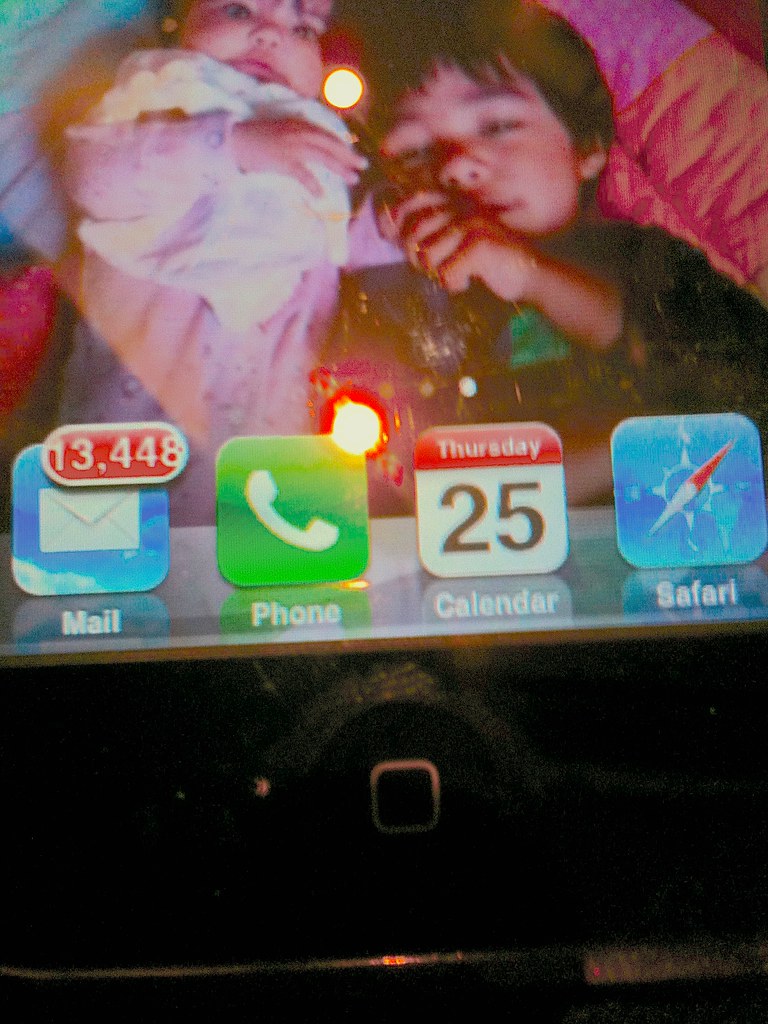
    Apple fixes email – despite millennials and social networks email is still the killer app of the web. But all is not good with email. I look at friends home screens and see thousands of unread emails in their inbox.  They use search to find what they need.
    Email bankruptcy
    It gives me heart palpitations just looking at the photo above. It was apparent for years that something needed to be done for email. Identity for e-commerce and social platforms still hinges on email addresses. For networks like Quora and LinkedIn, much of your interaction is driven in response to email prompts. Hence the need and why it has taken relatively simple actions to allow Apple fixes email for the time being.

    Email is a mature technology that works across a range of platforms and generally does a good job. It’s searchable, it has a permanence. Alongside the address book app, its a database to many aspects of your life from concert tickets, friend’s news or interaction with the government.

    There has been a renaissance in quality email newsletters such as Azeem’s The Exponential View or The Hustle. Email marketing continues to be an effective marketing channel for e-commerce businesses.

    Apple’s iOS 10 and MacOS Sierra have tweaked the email experience on their default mail.app.
    Ios10
    Apple has managed to detect the unsubscribe function in many email newsletters and give users control over their subscription at the top of each email.

    Using the beta version of Sierra and iOS10 I found that I unsubscribed from many marketing emails. This seems to hold out in some of the anecdotal feedback I’ve heard from friends as email campaigns have reported a surge in unsubscribes since it rolled out from beta to general availability. This has been the same on both b2b and b2c clients.

    However many of these people will be unengaged subscribers who hadn’t gained sufficient momentum to cancel without Apple’s assistance. Google takes a different approach, Gmail masks these emails in a separate folder – out of sight, out of mind.

    A second part of this was that I found I was prepared to take a chance on new interesting newsletter subscriptions. The content that I did have, I engaged with more because it was easier to get rid of meh content.

    I think this is an exciting development, it is a palette cleanser, an opportunity for email marketers to raise the quality of content and engagement. An opportunity to get direct immediate feedback through subscriptions and cancellations. A confident email reading consumers is a fantastic opportunity for agencies and progressive clients. However this will only happen if they chose to look beyond the dip.