Category: branding | 品牌推廣 | 브랜드 마케팅 | ブランディング

The dictionary definition of branding is the promotion of a particular product or company by means of advertising and distinctive design.

I have covered many different things in branding including:

  • Genesis – the luxury Korean automotive brand
  • Life Bread – the iconic Hong Kong bread brand that would be equivalent of wonder loaf in the US
  • Virgil Abloh and the brand collaborations that he was involved in
  • Luxury streetwear brands
  • Burger King campaigns with Crispin Porter Bogusky
  • Dettol #washtocare and ‘back to work’ campaigns
  • Volkswagen ‘see the unseen’ campaign for its Taureg off road vehicle
  • SAS Airline – What is truly Scandinavian?
  • Brand advertising during Chinese New Year (across China, Hong Kong, Singapore and Malaysia)
  • Lovemarks as a perspective on branding
  • BMW NEXTGen event and Legend of Old McLanden campaign
  • Procter & Gamble’s Gillette toxic masculinity ads
  • Kraft Mother’s Day campaign
  • Kraft Heinz brand destruction
  • Porsche Design in the smartphone space
  • Ermenegildo Zegna
  • Nike’s work with Colin Kaepernick
  • Counterfeit brands on Instagram, Alibaba and Amazon
  • Gaytime Indonesian ice cream
  • Western Digital
  • Louis Vuitton collaboration with Supreme
  • Nokia
  • Nike Korea’s ‘Be Heard’ campaign
  • Mercedes SLS coupe campaign
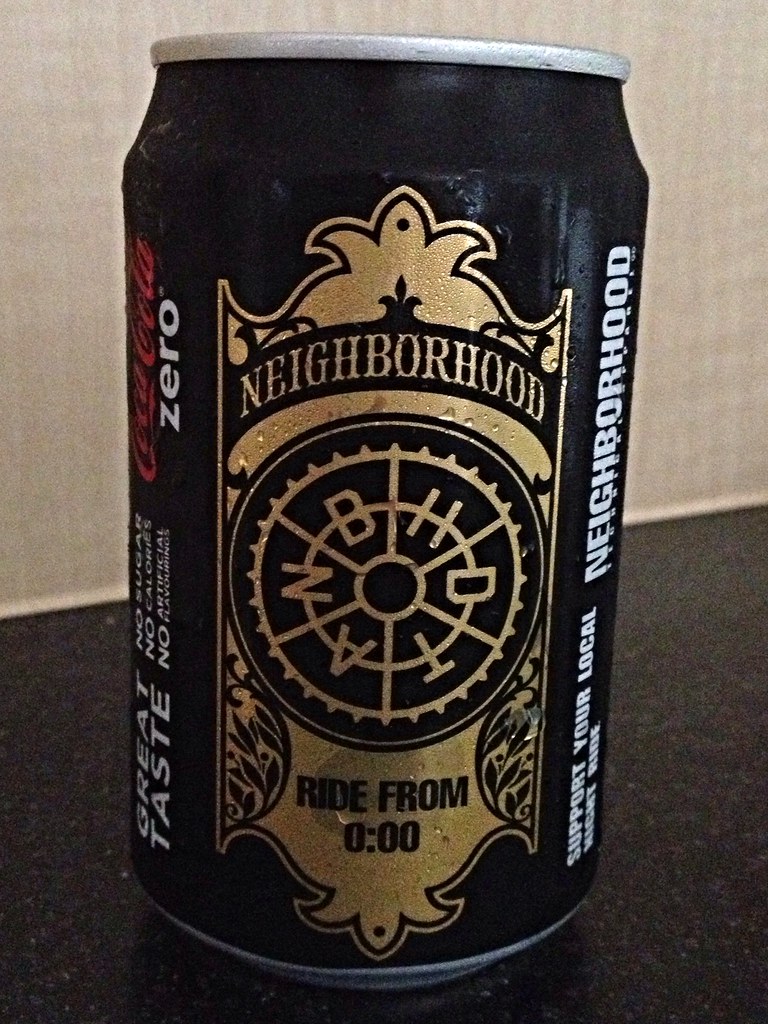
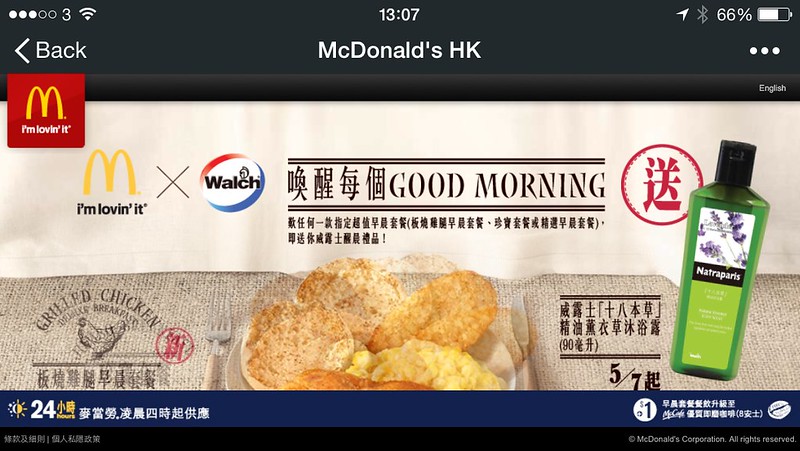
  • Brand collaborations in Hong Kong
  • Beats headphones
  • Apple
  • Henrion Ludlow Schmidt’s considerations of branding
  • Cathay Pacific
  • Bosch
  • Mitt Romney’s failed presidential bid
  • Microsoft Surface launch
  • Oreo Korean campaign
  • Chain coffee shop brands and branding
  • Samsung’s corporate brand
  • North Face’s brand overeach in South Korea
  • Mr Pizza Korean pizza restaurant and delivery service brand
  • Amoy Hong Kong food brand
  • Chevrolet Corvette ‘roar’ campaign promoting a build your own car service
  • Beats + Apple post

    Before Beats there was Mega Bass

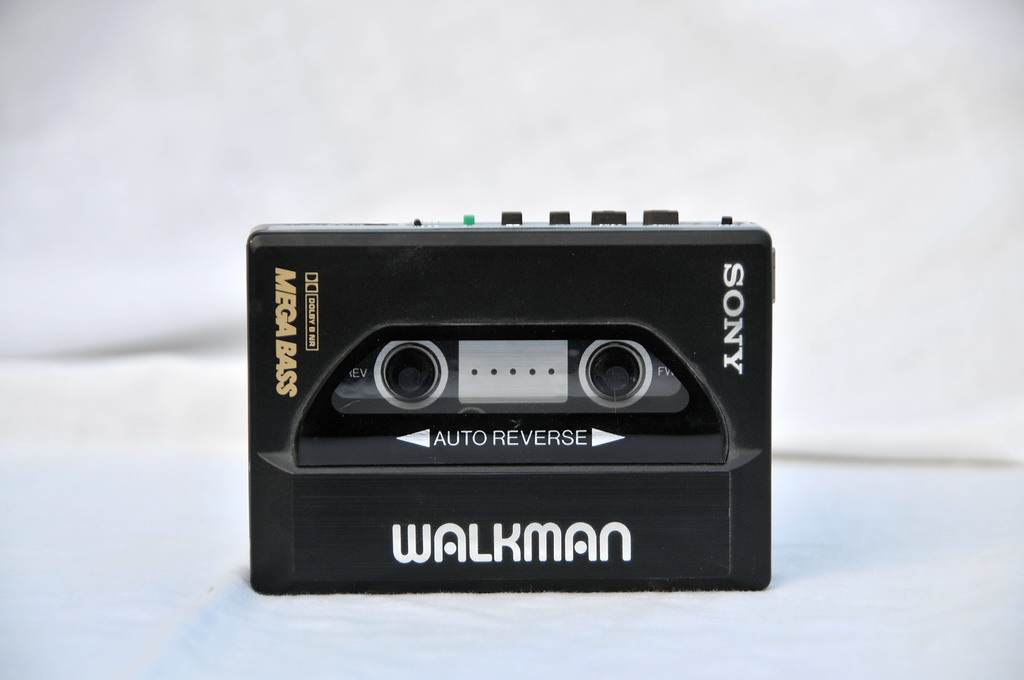
    Before you can talk about Beats, you need to go back into the history of consumer electronics. If you had a Japanese made personal stereo in the 80s through to the early noughties the words ‘Mega Bass’ meant something. It was printed on everything from clock radios and boom boxes to personal cassette and CD players.
    Sony Walkman WM A602
    It was the button you pressed to give the bottom end of the music you listened to more umpf.

    Different Japanese companies had their own spin on it. I remember Hitachi luggable cassette systems having ‘3D Bass’ or a ‘3D Woofer’ label on the speaker grill to highlight their sonic capabilities. Aiwa had personal stereos with a more sophisticated bass function on them called DSL.

    Before Beats – Boodo Khan

    Sony took this experience to its logical conclusion with the Sony Boodo Khan Walkman (DD-100) and its matching headphones (DR-S100). This was designed to provide dynamic bass amplification, a function that Sony previously had developed for high-end hi-fi’s. The DD-100 used a system called DOL.
    Sony DD100 Boodo Khan reproduced from Sony's 1987 product brochure
    The Beats brand replicates the less sophisticated Mega Bass feature in the headphones rather than the smartphone or iPod to which they are attached. From a design point of view this approach makes perfect sense. However the science of personal bass amplification doesn’t seem to have moved on much from the late 1980s. Any pair of Beats that I have listened to boom on the bottom end and sound ‘muddy’ higher up. Beats headphones sound less clear to me than the original Sony Boodo Khan combo from two decades ago, despite the advantages of digital technology.

    Why Beats?

    So why would Apple care about possibly acquiring Beats?

    • Buying Beats takes the brand off the table for both PC and mobile device manufacturers. H-P  used to have Beats as a feature on some of its laptops as did HTC smartphones
    • Apple buying Beats at a premium price would raise the acquisition cost of other businesses that have a unique offering to augment the mobile experience. It’s cash mountain gives Apple cheap capital and such high acquisition costs could be a barrier to entry for the likes of Lenovo or Huawei
    • Buying Beats takes a subscription-based music platform off the table, the team could be used to strengthen a future iTunes subscription product or simply open doors in the music industry wider for Apple. Tim Cook is not the media mogul that Steve Jobs was, he doesn’t have the Pixar studio that made him the peer of other media companies
    • Beats is a premium priced brand, it has a good fit in its hardware alongside many Apple products
    • Beats gets a different demographic of music lover. EDM has put dance music back on the map commercially and is now more important to Apple
    • Beats may provide Apple with an alternative brand to go into new media and product areas that would benefit from its urban and dance music caché

    Whilst Apple has done a good job of getting a lot of dance back catalogue into its library, problems remain with regards dance and urban music consumption patterns and iTunes. It is probably no surprise, given that Apple was more comfortable having The Pixies as the soundtrack to it’s latest advertisement rather than say Skillrex.

    If one looks at the way Apple iTunes treats ‘DJ’ artists like DJ Honda or DJ Shadow and bands with ‘The’ in the name like The The or The Bar-Kays  you can see that they didn’t think about dance music in their design to the extent that they should do. All ‘The’ bands are treated alphabetically so The Beatles would go in the B-section after The Beach Boys but before Bomb The Bass. By comparison all DJ artists are grouped together.

    Other examples of the way iTunes doesn’t get dance music is that you can’t get music in the way that you would buy it in a shop:

    • You can’t sort or search by record label
    • You can’t sort or search by remix producer

    Dance music generally isn’t like other genres, the band may not be the hero. Labels have their own ‘sound’, the educated consumer knows roughly what to expect looking at the label whether it was Tamla Motown, Salsoul or Horse Meat Disco. Remix producers like Tom MoultonSasha, Tony De Vit, Todd Terje or Skillrex all had their followers looking to buy their latest work.

    Lastly and probably most importantly, dance music and urban music has been the place were many niche competitors like Bleep.com and Beatport have managed to build niche, but profitable footholds. This also indicates that there could be opportunities for direct Apple competitors. More related content here.

  • 10 considerations of branding

    Origins of 10 considerations of branding

    10 considerations of branding goes back to a Ten years ago I used to work in an agency representing one of the pioneers of modern branding Henrion Ludlow Schmidt. I was fortunate that I got to work with the two managing partners at the time Chris Ludlow and Klaus Schmidt. Chris retired from the business and Dr. Schmidt is no longer with us, so the branding agency dissolved after he died.
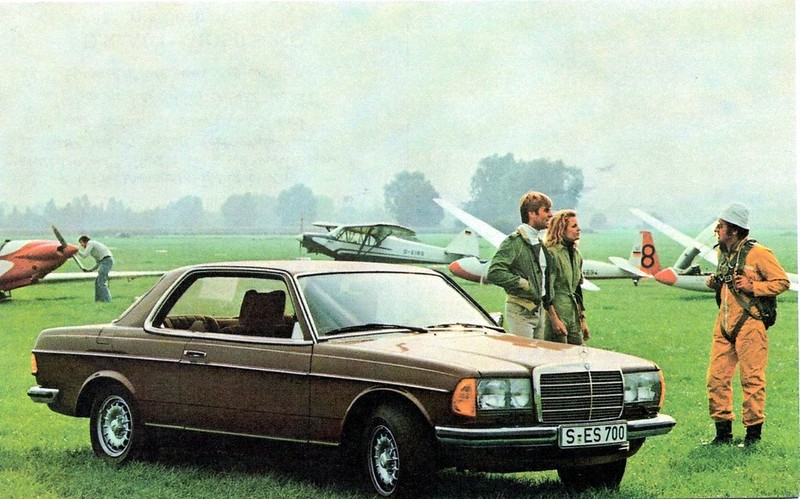
    1979 Mercedes-Benz 230/280 Coupe
    I have vivid memories from the meetings I went to in their Victoria headquarters. Dr Klaus Schmidt as an exuberant personality talking about all things brand related.

    Holistic branding and the 10 considerations of branding

    Dr Schmidt was an advocate of ‘holistic branding‘ taking into account all the brand touch points rather than just slapping a logo on things.

    Holistic branding included all functions of the business, product design and experience design. It seems self-evident that a business brand is the sum of it’s stakeholder’s experiences but that concept and the design reputation of founder F.H.K. Henrion brought them clients like Mercedes-Benz , the former British Midland (bmi) airline, Krups, Barbican, London Underground, Deutsche Bank and German mobile operator E-Plus.

    Chris Ludlow and Klaus Schmidt boiled their thinking down into 10 considerations of branding which I have paraphrased here:

    1. Does the brand really need a rebuild? It is amazing how brands often get changed just for the sake of it. At the time I was working with Henrion Ludlow Schmidt the disastrous rebrand of the Post Office Group to Consignia and back was still fresh in the public memory.
    2. Can or should the brand be saved? Is economically viable to save it. Is it cheaper to develop a new one or acquire a well-respected brand instead? A classic recent example of this was where News International shut down the News Of The World and published The Sun on Sunday instead.
    3. Everything communicates: remember that every action, or lack of it, within a business communicates. Fixing the brand may fall outside ‘conventional branding’ issues to include: product design, human resources, operations, logistics and environmental policies.
    4. What does your brand really stand for? This means asking a set of hard questions: What does your brand really means to customers and other stakeholders? What is the gap between the values that the brand is supposed to have and how it is perceived by customers? Are there positive attributes attached to your brands by customers, that were not part of the brand values that you meant it to have? Are any of the values attached to the brand no longer relevant?
    5. Rebuild the brand from the bottom up, rather than imposing one from the top down. There is more than a hint of the German corporate philosophy that led to worker representation on the management board in this.
    6. Build the brand around a vision relevant to all stakeholders: it is easy to be cynical about the soft part of branding, how many of us have rolled our eyes at a new vision statement we can’t remember a week after hearing it alongside been given a new mug, mouse mat, notebook or lanyard? I even sat in a meeting with a large Chinese client and a number of sister agencies where the question ‘What is your lanyard strategy?’ came up.
    7. How is your brand taken to the customer? When looking at your brand you need to look beyond the most obvious contact points that help make up a customer’s brand experience. Are there new channels that can be exploited? Are channel partners on board and, if so, are they conducting themselves in a way which is detrimental to your brand? This aspect of presentation is the reason why BMW dealerships look so plush and why advertising agencies can charge much more for the same activities in comparison to PR agencies.
    8. A brand is a long term project: when thinking about the attributes of a brand, these need to be able to outlast customer fads or the latest business trends. A brand is a strategic consideration.
    9. Shrink the brand: many brands need a refresh due to excessive product extensions which washes out the meaning. Going back to the core can be the reset required.
    10. Evolution rather than revolution: be prepared to change your brand gradually. It is a balance between remaining relevant and keeping the goodwill and recognition built up over time.

    More information

    Consignia: Nine letters that spelled fiasco | BBC News
    Heroes – F.H.K. Henrion | Designers Journal

  • Copper & more news

    Copper

    China’s giant pile of copper is inflating its credit bubble | Quartz – China’s import data surprised many today when it revealed that its traders bought 397,459 tonnes (438,124 tons) of refined copper in January, just shy of the record 406,937 tonnes imported in December 2011, and up 63.5% on January 2012. I would want it audited to show that the copper actually existed somewhere. Is the copper in a bonded warehouse? It would be very easy for an overly ambitious trader to sell copper they didn’t have

    Business

    Chinese brand equity makes for stock hits | beyondbrics – who says that China doesn’t get brand. I think that many Chinese companies don’t understand the difference between sales and marketing but that’s changing

    I am out of tune with these times |Bronte Capital…but the valuation has to make sense on fairly modest assumptions before I get excited. I owned Facebook in the twenties. I could make the per-subscriber numbers work – interesting read, I imagine Warren Buffett’s take would be similar

    Consumer behaviour

    Digital Intelligence :: Europeans spend 18% more time using apps than Americans – report – the European user base launched their apps more than their US counterparts

    US v China: is this the new cold war? – FT.com – if it isn’t now, it will be due to Communist Party of China doctrine of struggle and aspirations for hegemony

    There are six kinds of Twitter conversations, and here they are | io9 – researchers say they’ve found six distinct shapes that Twitter conversations take

    Economics

    Sophisticated Brands for Sophisticated Consumers | Wolff Olins – how Chinese consumers are altering the requirements for their brands

    Spain exporting it’s way out of trouble | Quartz – something the UK could learn from, Spain still has a long way to go however

    The European banking system still is a mess: RBS edition | Quartz

    FMCG

    Boots to sell Puritane e-cigarettes from Imperial Tobacco subsidiary | Marketing Magazine

    Custom-Order ‘Mix-In’ Ice Cream Chains Realize They’re a Rip-off

    Can the Same Manager Sell Pampers and Pantene? P&G Says No | Wall Street Journal – beauty needs specialist management

    How to

    How strategists level up — Undercurrent Collection

    How To Build (And Sustain) A Remote Workforce | FastCompany

    What to do if your organisation is the victim of a fraud attack | Out-Law.com

    Ideas

    Benedict Evans InContext Keynote | A VC – worth a watch during your lunch hour

    Social media is making you stupid | Time

    Indonesia

    Only in Indonesia: Twitter votes come at a price on popular TV show – how did they manage to charge for tweet vote entries?

    Innovation

    Intel, Sun vet births fast, inexpensive 3D chip-stacking breakthrough | The Register – a way to allow communication in 3D stacked chips without the expense and fabrication hassles of creating physical connections

    China is spending a fortune on science—and is getting robbed blind by corrupt scientists | Quartz

    Luxury

    Gucci is selling too much to the wrong people | Quartz

    Want to sell luxury handbags to Chinese tourists? Open more stores in ParisSteadily growing throngs of spendthrift Chinese tourists have been one of the lone bright spots for consumer economies around the world – luxury tax, tax avoidance by business people and a desire for experiences drive overseas purchases

    Marketing

    Lecture: Trust and the Fall of Public Relations | Jericho Chambers

    These Are The Metrics That Really Matter For Social Media | BusinessInsider – Many brands are finally realizing that social media isn’t a transactional engine or sales machine in the traditional sense. As they do, they’re dropping half-baked indicators and letting go of the idea of social ROI

    Chartered Institute of Public Relations – State Of The Profession – once you take account of their natural bias to flog CPD and qualifications it makes an interesting read (PDF)

    David Beckham a role model for Hong Kong househusbands | CampaignAsia – Describing the inner life of a misunderstood species of Hong Kong consumer. (Paywall)

    China-based social marketing service Kmsocial raises ‘tens of millions’ – good quality near real-time measurement and analytics tools that actually work in China are a big need. Marketing automation can then follow

    Media

    Facebook, Twitter and the User Narrative | GroupM Next

    Life Before (and After) Page Numbers | The Atlantic

    WhatsApp is the first of several big acquisitions for Facebook – I, Cringely

    Retailing

    Esprit embraces “fast fashion” in China turnaround | beyondbrics

    Security

    Homoglyphs for SEO | Terence Eden

    Lookout study: hackers target mobile attacks by region | PCWorld

    South Korea green lights Stuxnet-like code weapons to nark NORKS – how successful would this really be against North Korea? Also given that South Korea is one of the most connected countries on earth and reliant on poor quality security enshrined in law based around ActiveX, retaliation would be devastating

    Software

    Surprise, you’ve got a Windows Phone app! Microsoft irks big brands in bid to stock mobile store – GeekWire – is this dodgy from an IP point-of-view? One has to view their app numbers with skepticism

    Google reportedly forcing Asus to ax Android/Windows tablet project

    Apple Confirms Burstly Buy – owner of the popular iOS beta testing platform TestFlight

    Jolla’s Sailfish OS and smartphones are commercially ready and heading into new markets – smart of them to get this new out in advance of MWC media scrum

    Android users will get to install Jolla’s rival Sailfish OS, bit by bit – Jolla’s Sailfish OS isn’t Android – not even an Amazon-style fork – but it can run Android apps and manufacturers can put it on the same hardware they use for Android devices – now if they could get this running on Huawei hardware so you can bin the crap Emotion UI…

    Technology

    Tim Cook on Big Acquisitions: ‘We Have No Problem Spending Ten Figures for the Right Company’

    E-cigarette lets you smoke, take calls, and play music | Irish ExaminerThe new Supersmoker Bluetooth e-cigarette, you’ll be able to receive calls right from your e-cig. For €79, the Supersmoker also acts as a speaker for your music. – wrong, just wrong

    Telecoms

    Nokia may consider merging with Juniper: reportGerman outlet Manager Magazin Online has reported that Nokia Solutions and Networks (NSN), the bits of Nokia Microsoft didn’t buy, is considering a transaction of some sort with Juniper Networks.… – interesting move, I think that this is better than Alcatel Lucent

    Web of no web

    Huawei has created the world’s ugliest smartwatch | BGR

    Wireless

    NTT DoCoMo on 5G mobile – (PDF)

  • Observations from Shenzhen, China

    I spent some time in Shenzhen recently and here is some of the things that I found during my stay.

    The pace of development is slower than it was before, the number of cranes I saw and ready-mix concrete wagons on the road was less than before. There is still a lot of building work but there is less of it

    Odd products showing up in Shenzhen.

    A case in point being an Orange-branded MiFi router that I used whilst I was there. It was your standard Huawei mobile internet Wi-Fi router as sold to Orange customers across Europe. We used it with a China Unicom 3G SIM in the device. It wasn’t just a case of badging, the device had an Orange admin page and served Orange-branded ‘no internet connection available’ error pages.

    Just how did this device end up in Huawei’s back yard? Did the product ‘fall off the back of a wagon’? Are they being dumped in the marketplace? Is there some black market ‘carousel’ sales tax scam going on?

    Smartphone users

    Talking about mobile devices: a quick poll of a mix of people I met:

    • Advertising agency owner: Apple iPhone 5S
    • Creative industry entrepreneur: iPhone 5C for personal use, an iPhone 5S likely to be gifted
    • Professional photographer and interior designer: iPhone 4S
    • 7 taxi drivers: 5 Samsung, 1 iPhone 4 and one Xiaomi handset
    • Businessman who owned a pharmaceutical distribution business and various properties: Samsung
    • Businessman: Samsung
    • Museum/ gallery curator: Samsung
    • Professional driver: Samsung

    It is hard to explain the ubiquity and usage of:

    • Weixin (WeChat) – running out of your data package cuts you off more than running out of voice minutes. My friend has her 70+ year old mother WeChatting her incessantly
    • TaoBao – the impact of TaoBao can be seen on the streets with a volume of delivery people darting around the city. Electric mopeds were banned in Shenzhen for anyone who didn’t work for a delivery company as the devices were a silent killer who ran over unsuspecting pedestrians. Shenzhen still has electric bikes (more professionally handled) by delivery people delivering online shopping. TaoBao and its sister site TMall are the e-tailing game. Apple recently opened a store on TMall in parallel to the Chinese version of its familiar online store

    The Chinese creative industries are coming on in leaps and bounds. I met with an advertising and design agency owner and was bowled over by the quality of the branding design that they had done for a new creative hub. Having worked alongside western big branding agencies in China working for Chinese clients I can say that the work was equal, if not better in quality.

    This is also matched by the creative infrastructure that the Chinese central and regional governments are putting in alongside private enterprises. A classic example of this is the continued development of the OCT LOFT complex. This was once an area of factories run by Overseas Chinese as a separate Town, these sturdy concrete buildings have been converted into retail areas a la the Truman Brewery, offices, studio spaces, co-working spaces and social clubs.

    There is a live performance space in OCT LOFT called B10 with a really well engineered sound and lighting system. This has managed to attract sponsorship from the likes of MINI. China is serious about building a creative class and is doing something meaningful about providing all infrastructure needed within a cluster.

    Talking of live performances, I got to see a local band play at B10; I don’t know if this was just this band but the crowd did much more interaction with the band on stage, singing along, dancing, synchronised clapping and a lot less viewing the performance through their smartphone than I had been used to in the UK and Hong Kong.

    Electric vehicles are big business; Shenzhen now has blue and silver taxis from local firm BYD that are electric powered. BYD is a famous battery company and Warren Buffett is a shareholder. Admittedly, the electricity probably comes from a lot of coal-fired power stations as well asnuclear-powered ones, but China is serious about the future of transportation.

    Hailing a cab is pretty much done by app, the Chinese version of Hailo is as ubiquitous on peoples phones as Weixin.

    Changing perception of western country brands. This is just anecdotal stuff speaking to a couple of people, but the brand of the UK in China has changed over the past couple of years. It used to be that the UK was thought to be a great nation to do business.

    David Cameron’s recent trip to China and launch of a Weibo account was seen as an act of desperation to try and capture inbound investment. Now the view that I heard expressed is that Britain is a good place to visit and shop (for luxury goods), to get an education or learn English – but that’s it. Entrepreneur visas didn’t hold that much appeal to the people I spoke with.

    There is a change in what it means to be made in China. Over the past few times that I have been in China there has been a move away from products that are good enough to providing a quality experience. Brands like retailer Emoi have been at the head of it, alongside Oppo whose Blu-Ray players give Denon and Onkyo a run for their money.

    This time friends of mine have set up a venue, one of the primary purposes of the venue is to showcase quality Chinese-made products from craftsmen made ceramics, to furniture, modern art and vacuum-tube hi-fi amplifiers. Just as China is raising it’s creative game, it is also looking to make better quality products. However this isn’t a universal move; there are still value-orientated companies, particularly those in the business-to-business space. More china related posts here.

  • Cathay Pacific vs. British Airways

    I flew to Hong Kong with Cathay Pacific and had a stopover in Europe and it reminded me why I love to travel with them. My flight from the UK was with British Airways, who used a long haul plane on a short haul route meaning that some people got a flat bed to have a nap in business class, whilst other business class passengers put up less luxurious surroundings, but like the Murphys I’m not bitter.  There was no invitation to their lounge on the break of the flight in Europe, no real up-selling the benefits of OneWorld at all.

    I eventually connected with my Cathay flight at the gate and was told to report to the Cathay counter regarding my boarding pass. The first thing that went through my mind was ‘I hope they don’t bounce me off my flight for some other person’. Instead it turns out that despite my flight being booked through BA; my passport details hadn’t been shared with Cathay for the second leg of the trip. Whilst there the Cathay people asked me if I would like to use their arrival lounge at Hong Kong airport and gave me the pass for it, they then pointed out that gate wouldn’t open for ten minutes and I still had time to use their business lounge before the flight. It was small things that they did that went out of the way.

    Onboard, I have a penchant for Hong Kong-style milk tea and Cathay Pacific do a version of it. Cathay’s version of Hong Kong-style milk tea tastes even better if you get them to throw an Earl Grey tea bag into the cup with it, I ask them for this concoction and they don’t bat an eyelid at the weird aging-hipster of an Irishman in row 11 with the odd request. I wouldn’t do it with BA even if they served Hong Kong-style milk tea, because matron wouldn’t be happy.

    As you would expect with an Asian long-haul airline there is a decent seat to get some sleep in, and a toiletries bag that is is practical. Agnes B did the design which turned out sufficiently practical you want to take it with you. Entertainment-wise Cathay benefits from Hong Kong’s film industry as well as the usual Hollywood fodder.

    All that Cathay Pacific would need to do to be perfect is:

    • Make the shoe locker in their business class seats a bit larger, not everyone wears brogues. They couldn’t fit my Zamberlan boots in let alone cope with a pair of ladies healed boots, a full-sized pair of Timberlands or Jordan 11
    • Allow you to be permanently logged in on their mobile application