Category: innovation | 革新 | 독창성 | 改変

Innovation, alongside disruption are two of the most overused words in business at the moment. Like obscenity, many people have their own idea of what innovation is.

Judy Estrin wrote one of the best books about the subject and describes it in terms of hard and soft innovation.

  • Hard innovation is companies like Intel or Qualcomm at the cutting edge of computer science, materials science and physics
  • Soft innovation would be companies like Facebook or Yahoo!. Companies that might create new software but didn’t really add to the corpus of innovation

Silicon Valley has moved from hard to soft innovation as it moved away from actually making things. Santa Clara country no longer deserves its Silicon Valley appellation any more than it deserved the previous ‘garden of delights’ as the apricot orchards turned into factories, office campus buildings and suburbs. It’s probably no coincidence that that expertise has moved east to Taiwan due to globalisation.

It can also be more process orientated shaking up an industry. Years ago I worked at an agency at the time of writing is now called WE Worldwide. At the time the client base was predominantly in business technology, consumer technology and pharmaceutical clients.

The company was looking to build a dedicated presence in consumer marketing. One of the business executives brings along a new business opportunity. The company made fancy crisps (chips in the American parlance). They did so using a virtual model. Having private label manufacturers make to the snacks to their recipe and specification. This went down badly with one of the agency’s founders saying ‘I don’t see what’s innovative about that’. She’d worked exclusively in the IT space and thought any software widget was an innovation. She couldn’t appreciate how this start-ups approach challenged the likes of P&G or Kraft Foods.

  • 2017 internet trends + other things

    2017 internet trends report

    Mary Meeker’s 2017 internet trends report: All the slides, plus analysis | Recode – was the big thing to drop in my week.

    The key themes for me from the 2017 internet trends report were:

    • Continued slowing in internet growth showing that the previous years decline in growth wasn’t a one off. In the 2017 internet trends report we also saw a decline in smartphone growth as well
    • All of these trends don’t apply with India where the market is still growing for internet access and smartphone growth. In India the 2017 internet trends isn’t ‘2017’ but 2010
    • Lean forward media is beloved of internet entrepreneurs. Interactive gaming is becoming mainstream around the world, with 2.6 billion gamers in 2017 versus 100 million in 1995. Gaming revenue is estimated to be around $100 billion in 2016, and China is now the largest market for gaming.
    • In the US at least wearables are becoming mainstreamed. 25 percent of Americans owning one, up 12 percent from 2016. Back when I was in Hong Kong, Chinese manufacturers were cranking out low cost health monitors to monitor your exercise activity

    More related content here.

    The Reflex remixes

    The Reflex remixes Gil Scott Heron. Nicolas was one of the few remixers who can make a production that’s better than the original. 

    Ultraman theme tune

    Scatman Ultraman – Ultraman is a famous suited super hero. It is part of the Japanese TV and movie ‘special filming or tokusatsu genre. It is the grandfather of the Mighty Morphing Power Rangers. One of Ultraman’s powers was the ability to grow really large, which spawned other giant hero or Kyodai Hero characters. 

    Surreal and manic

    Surreal and manic


    A post shared by DJ STYLEWARZ (@stylewarz) on

    Kouhei Nakama 

    Kouhei Nakama | Design & Motion – really nice 3D animations by Japanese artist / designer Kouhei Nakama

  • Black technology (黑科技)

    Black technology

    An all-compassing phrase that I’ve heard being used by Chinese friends Hēi kējì in Pinyin or black technology. It’s been around for a couple of years but recently gained more currency among people that I know.

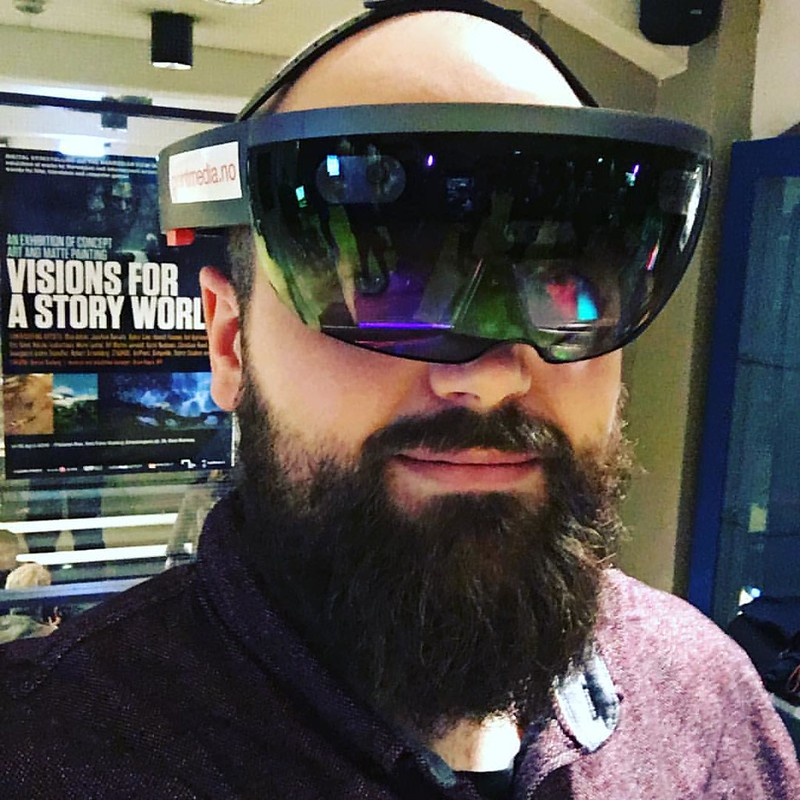
    Microsoft Hololens 💥

    It is used as a catchall for disruptive / cool innovative products. What constitutes ‘black technology’ is subjective in nature but generally Chinese would agree on some examples such as:

    • Magic Leap
    • Microsoft Holo Lens
    • Bleeding edge silicon chips with an extraordinary amount of memory or machine learning functionality built in
    • Tesla self-driving cars

    Magical quality

    The key aspect is that the product as ‘magical quality’ in the eyes of the user. Technology companies have tried to use it in marketing to describe the latest smartphone and app features like NFC, gesture sensitive cameras and video filters. Your average Chinese consumer would see this as cynical marketing hype. Xiaomi had been guilty of this over the past couple of years. Chinese netizens aren’t afraid to flay the brands for abusing the term black technology.

    As technology develops, the bar for what represents black technology will be raised higher.

    Manga origins

    According to Baidu Baike (a Quora-like Q&A service / Wikipedia analogue) it is derived from the Japanese manga Full Metal Panic! (フルメタル·パニック! |Furumetaru Panikku!).

    In the manga black technology is technology far more advanced than the real world. An example of this would be ‘Electronic Conceal System’ – active optical camouflage used on military helicopters and planes in the manga. It is created by the ‘Whispered’ – people who are extremely gifted polymaths who each specialise in a particular black technology.

    In the manga they are frequently abducted and have their abilities tested by ‘bad organisations’ who support terrorism. Whispered also have a telepathic ability to communicate with each other. If they stay connected for too long there can be a risk of their personalities coalescing together. Similar content can be found here.

    More information

    黑科技 (动漫中出现的词语)- Baidu Baike
    Full Metal Panic – Amazon

  • Paula’s Loewe collar + more

    Loewe x Paula’s

    Spanish luxury brand Loewe x Paula’s rolled out its collaboration with Ibiza boutique Paula’s. Paula’s reflects a move of Ibiza away from sweaty EDM fans to a more elite stylish visitor more used to Pykes and Hunters. In many respects Loewe x Paula’s is about taking Ibiza back the original Balearic vibes where it was populated by the international jet set, before football casuals and clubland discovered the white isle in the mid-1980s. More related content here.

    Generation Z

    Meet Generation Z in our latest film | JWT Intelligence – downloadable and handy for provoking thoughts on planning in terms of data point. I have broader issues with the concept of generations and find life stages generally much more valuable as a concept. Generations hide data which should have use asking broader questions. Their generalisations aren’t that helpful either.

    Fred Wilson

    Venture capitalist Fred Wilson speaking at MIT Sloan School of Management. Fred Wilson used to run a technology VC operation with Andy Kessler. He then went on to found his own VC business – Union Square Ventures, based out of New York.

    Wilson talks about the VC role in terms of coaching entrepreneurs as much as investing them. In some respects this feels at odds with the usual VC approach of investing in the team. He talks about the demise of the investor letter, but also the importance of writing as ‘thinking out loud’.

    Product design by algorithm

    The Lowly Folding Chair, Reimagined With Algorithms | WIRED – classical material and computer aided design came up with something special. Its a fantastical piece of design. The question of intellectual property with regards the chair is a problem that can be solved another day

    UNISON

    UNISON campaigns to get voters on board with more of a focus on public services as the UK election got under way seems to have failed completely judging by the opinion polls. This disturbing video was made with Claire Sweeney – which breaks the uncomfortable ground between daytime TV programming and satire. At worst, this could be used as an excuse for the government to clamp down on the ‘interference’ of trade unions in parliamentary elections.

  • 3 stripes + more news

    3 stripes trademarks

    Adidas Just Lost One of its 3 Stripes Trademarks in the European Union | The Fashion Law – adidas are constantly having to fight for the 3 stripes as intellectual property. The reality is that there are layers and layers of intellectual property protection for the 3 stripes trademarks. Even if it lost its trademarks, there is still the design protections across its range of products that are similarly layered like the 3 stripes trademarks. More related content here.

    Ethics

    Information operations and Facebook – Facebook research paper (PDF)

    FMCG

    Margarine sales: investors can’t believe they’re not better | The Economist – a few things: trans fats tend not to be in consumer margarines now, but otherwise interesting data

    Ogilvy Celebrates ‘Real Moms’ for Dove Baby | AdWeek – interesting step into P&G territory by Unilever

    Innovation

    The evidence is piling up — Silicon Valley is being destroyed – Business Insider – go east young man, Shenzhen rather than San Jose

    Legal

    Just delete the internet – pr0n-blocking legislation receives Royal Assent • The Register – its unworkable and the precedent of widespread censorship is exceptionally worrying – at what point do you say there is a balance between individual freedom and protection from ‘organised crime’ paedophiles or children seeing something they shouldn’t (pick any two for a typical politician’s justification)

    Protecting IP from bloggers and tweeters | Raconteur – hashtag trademarks

    Luxury

    WSJ City – Back to the Chinese Boom Years in Luxury? Not Likely – new normal not boom times

    Marketing

    Rave Happily Ever After at Disneyland Paris’s New EDM Festival – Thump – never thought I would see the day. It’s a great fit, but Disney are tough conservative brand guardians

    Security

    Big Bother Is Watching | The Baffler – an anti-Slack polemic

    Software

    Microsoft’s Wunderlist successor, To-Do, hits public preview | ZDNet – gutted that Wunderlist is being sunset as part of a plan to upsell users to Office365

    Telecoms

    ZTE Q1 profit surges on network, smartphone sales | total telecom – contrasts with Huawei’s performance

    Web of no web

    Tizen Developer Conference 2017 Set to Inspire IoT Innovation | Samsung – interesting that they think it’s lightweight enough to pitch at IoT. They’ll need to beef up the security, it does seem more promising than Android if smartwatches are anything to go by in terms of squeezing performance out of hardware whilst conserving battery life

  • Richard Edelman is wrong, PR isn’t at a crossroads…

    I recommend that readers check out Richard’s PR is at a Crossroads post. Edelman cites changes at PR agencies owned by marketing conglomerates as indicators. He thinks this due to a lack of confidence in the PR industry. There may be some truth in it; 2016 had the lowest annual growth in seven years for Edelman. As PR is at a crossroads, on the cusp of transformation? No, it is already being transformed.

    Richard Edelman, head of Edelman PR

    Public relations has already crossed the Rubicon. The Rubicon crossing happened years ago. Richard noticed the signs back in April 2011:

    …as PR continues to expand, encompassing digital, research, media planning and content creation, should we consider rebranding ourselves as communications firms?

    At the time the question was prompted from London colleagues. Richard disagreed with the premise.

    By 2012 Edelman was in the AdAge Agency A-list in the US. In March 2015, Edelman’s boiler plate changed from:

    Edelman is the world’s largest public relations firm…

    to

    Edelman is a leading global communications marketing firm

    Edelman hasn’t been a PR agency for the past 2-5 years. The transformation in the industry has been going on for at least a decade.

    Why this has happened is down to six factors:

    • Mature research and academic thinking on effective marketing
    • Technology-driven marketing strategy
    • CMO perspectives shaped by marketing thinking
    • Talent
    • Advertising changes
    • Media landscape changes

    Mature research and academic thinking on effective marketing

    Lets break things down a bit, some bits of PR are about the corporate parts of a company.
    Corporate PR covers a large area including:

    • Public affairs
    • Educating investors
    • Shoring up shareholder confidence
    • Internal communications
    • Community affairs

    Some corporate and social responsibility actitivities could fall under PR. When we’re talking about who is responsible for organisation moral purpose /meaning. This should come from the CEO down.

    Thinking about marketing communications the situation changes a lot. It depends on the sector and the audience that you are communicating to. For consumer marketing; the role that PR plays as part is a subordinated part with the marketing mix. Byron Sharp’s works How Brands Grow (parts 1&2) outline PR’s small, but intricate role with clarity.

    For mature consumer brands, engagement (and by extension PR) is less important. Instead the focus would be on efficient reach and frequency of repetition. Being top of mind is more important. The only way for marketing communications-orientated PR teams to grow their billings is service expansion.

    Technology-driven marketing strategy

    Many business-to-business marketers are using content marketing as a key channel. The content shaped by analysis from marketing automation software.

    In marketing automation, strategy is outsourced. Rules embedded in the software platform dictate approach. PR becomes a source of content to feed the machine. The idea is to determine an effective approach. Then optimise to reduce the price of engagement over time. I could write a blog post or two about the problems with this approach, but it is tangental to PR. Content creation is an opportunity for PRs, all be it one with perpetually squeezed margins.

    Mature research and academic thinking on effective marketing

    In B2C marketing there are large research projects on what works. These include Ehrenberg-Bass Institute and the IPA. In marketing mature consumer brands, we know that reach, frequency and recency matters. Engagement is less important. Public relations then becomes an afterthought at best. Taking an integrated media planning led approach makes sense.

    There isn’t a comparable set of research for the PR industry like IPA or Ehrenberg-Bass. Outside the US public relations generally doesn’t have budgets for tools and data. Clients tend to be more action-orientated. Media agencies tend to have the best insights – which aids planning and creative.

    The benefits of an integrated advertising-led approach goes back decades. Edelman cites Y&R’s ‘whole egg’ concept. Dentsu’s ‘Cross Switch Marketing’ is similar with roots going back to the 1960s. The PR industry mistook integrated thinking for a primitive view of PR practice. The reality lies somewhere between communications myopia and macro marketing thinking.

    From a CMO perspective

    • PR spend is a small part of their budget. It may not even sit in their budget if there is a CCO (chief communications officer) role in the company
    • PR isn’t supported by good quality secondary insights like the IPA or Ehrenberg-Bass
    • Advertising works
    • Advertising agencies foster high trust through visualisation of ideas backed by insights
    • Media relations is low cost, low efficiency but can be high engagement
    • Integrated simplifies the client/ agency dynamic (one ass to kick)
    • Successful integrated agency engagements. Examples include Red Fuse (Colgate), GTB (Ford, Purina) and TBWA Media Arts Lab (Apple)
    • The memory of Enfatico has disappeared

    Talent

    Edelman has done a better job than most agencies in getting digital and paid media talent. I’ve worked as an in-house marketer. I have worked as a PR person. I’ve also worked in PR agencies doing digital and paid media. I now work as a strategy director in a creative ad agency and the difference is huge.

    For most specialists working in a PR agency can be thankless task:

    • PR agency leaders don’t get other disciplines. This is particularly true outside North America
    • I’ve worked with too many agency leaders who think digital is an infographic or a video
    • The briefing process in PR agencies is awful. ‘We’ve got a video, make it viral’ was the worst brief I had
    • Outside North America budgets are very tight
    • You can get better working conditions elsewhere. Tools, people you can learn from, research and ambience. Real conversation at a PR agency: “can you wear a shirt and suit?” “Why?” “We’d just like it” “Can I quadruple my day rate?” “No, why?” “That’s my inconvenience of wearing a suit fee”
    • PR agencies don’t win the awards that matter to us. PR publications wring their hands about the lack of PR wins at the Cannes Lions. This matters for your career

    If you have capability built up in the ad agency, creative shop or media agency; use it. Publicis, WPP and Interpublic have deep expertise they can draw on. Publicis talks about this as ‘The Power of One’. It is much easier than recruiting more technical, creative and planning talent into a PR shop.

    Advertising changes

    As PR has changes so has advertising. There is a far greater understanding of what efficient and effective looks like. While I lament the the decline of advertising’s golden age; multichannel storytelling has improved. Advertising agencies have learned how to combine earned and paid media. Earned media is an incremental revenue increase advertising agencies. Advertising agencies have done earned media and not even thought about it being PR.

    By comparison creative represents a big budget bump for your PR agency. That causes the client to pause and think. The expansion of advertising has wiped out the crossroads; so PR isn’t at a crossroads anymore.

    Media landscape changes

    As advertising has changed so has the media landscape. The online environment is shaping out with two winners around the world. The pattern of online advertsing spend is clear. Everywhere outside China online advertising is static; only Facebook and Google see increases. In China, is is Tencent due to WeChat that wins. Sina benefits from Weibo. Baidu would have been an obvious winner due to it being a Google analogue. Instead Baidu’s earnings have been static.

    This decline in media fortunes adversely affects editorial space. This impacts the efficiency of media relations. By some accounts in the UK there are now 3 PR people for every journalist. PR agencies have needed to expand beyond media relations. This means trying to get more involved in owned and paid media. The challenge is that advertising agencies are also in that space – extending their storytelling. In the case of the media landscape, PR isn’t at a crossroads because the crossroads no longer exists it has become a singularity at the centre of the media sector

    More information
    PR not communications | 6am blog – yeah I called bullshit on this one. I could afford to be right; Richard had a global family business to defend
    Whole Egg Theory Finally Fits The Bill For Y&R Clients: Global Agency Network Of The Year: Team Space System A Winner For Citibank, Others Set To Follow | AdvertisingAge
    The Dentsu Way – a great book, right up there with Ogilvy on Advertising in my estimation