Category: singapore | 新加坡 | 싱가포르 | シンガポール

Welcome to the Singapore category of this blog. So first up a disclosure, back when I worked in Hong Kong, I did some work for the Singapore government ‘home team’. The work was done for their Central Narcotics Bureau and the Singapore Prison Service. Beyond friends that live there, I have no connections commercial or otherwise with Singapore now.

I have had the opportunity visit the city state and really loved it. Is it better to Hong Kong, politics non withstanding I don’t think a true comparison works that way. It has a more Germanic character than Hong Kong, but both are very similar in terms of the people and the built environment.

This is where I share anything that relates to Singaporean business issues, the Singaporean people or culture. Often posts that appear in this category will appear in other categories as well. So if Singapore Air launched a new ad campaign. And that I thought was particularly interesting or noteworthy, that might appear in branding as well as Singapore la.

So far, I haven’t had too much Singaporean related content here at the moment. That’s just the way things work out sometimes.

I am fascinated by the way Singapore has been deftly playing China to increase its stature as the place to do business. I am only interested in local politics when it intersects with business. An example of this would be legal issues affecting the media sector for instance.

If there are Singaporean related subjects that you think would fit with this blog, feel free to let me know by leaving a comment in the ‘Get in touch’ section of this blog here.

  • Chinese space program & things that caught my eye this week

    This week saw a huge leap forward for Chinese space exploration and the Chinese space program. China landed a space ship on the far side of the moon and is currently exploring it. The Chang’e 4 space ship is named after a Chinese goddess who reputedly lives on the moon. It carried the Jade Rabbit 2 rover. Chang’e was kept company on the moon by her pet jade rabbit.

    This is a huge achievement. It has been fifty years this August since Neil Armstrong landed on the moon. NASA has plans for its Saturn rockets, but the actual knowledge to build that size of rocket is being relearned through its SLS programme. NASA engineers now marvel how 1960s era welders managed to manually create perfect long welds in the rocket motors with lost craftsmanship.

    Secondly there is the context of the Chang’e project. China builds programmes like the Chinese space program by thinking in terms of decades. It will be doing invaluable research and the space programme may spur Chinese innovation just like what happened in the US during the 1950s and 60s. You couldn’t have had Silicon Valley or many household goods without space programme knowhow. The Chinese would be much more open to harvesting resources from the moon and beyond. In the same way that the Apollo programme was a part of the cold war, Chang’e is part of a wider political context. Premier Xi is focused on China’s rejuvenation that includes

    • Ethnic based national(ist) pride. China’s Han ethnicity makes up over 90 per cent of the population. The Chinese government recognises 50 different ethnicities in the country
    • Pride in Chinese culture and elimination of inferior western culture in China
    • Technological supremacy
    • Social progress
    • Supremacy in hard and soft power

    So it was with a certain amount of irony that the Chinese space program published a post on Weibo quoting Pink Floyd’s Breathe from Dark Side of The Moon album.

    China's space program Weibo account celebrates Chang'e 4 and Jade Rabbit 2 by quoting Pink Floyd

    Pepsi tried to tap into the space age excitement with its early entry into the pantheon of this years adverts celebrating Chinese New Year. This is a seven minute long film that’s part of an integrated marketing campaign around the theme of ‘Bring Happiness Home: Reach for the Stars’

    Talking of Chinese New Year adverts, Singtel is another one who is rolling out their campaign a bit earlier than most other brands this year. It follows on from last years advert that focused on the family reunion dinner. You can see the best of last year’s Chinese New Year adverts here

    This afternoon I have been listening to the this glorious homage to 1980s R&B. Lizzo’s Juice is a great pastiche of TV tropes together with a great song. I discovered it via Matt Muir’s Web Curios. Whilst you’re listening to the song go over and sign up for his weekly newsletter right now. (Don’t worry I’ll here until you come back).

    This week has been CES in Las Vegas, which explains why the magazine type stories in news programmes have been about gizmos or robots. I found the show pretty disappointing this year. The biggest news was more of a business story. Apple has managed to get iTunes movie and TV series store on Samsung TVs. In addition several brands signed up to support Apple’s Air Play standard for video and HomeKit standard for your internet of things. Quite what all this means for Apple TV sales is another thing. What I found far more interesting was exploring the Consumer Electronics Hall of Fame – IEEE Spectrum. Going through it is instructive. Zojirushi’s Micom Electric Rice Cooker from 1983 brought early artificial intelligence into the home with its use of fuzzy logic to cook rice to perfection. Fuzzy logic then went into image stabilisation and auto focus on cameras and camcorders. Fuzzy logic sold on the benefits and concealed the technology from western consumers. Machine learning techniques are likely to become common in a similar way rather than the current hype. I still lust after the Wadia Digital 170i Transport. 46 years after launching the Technics SL-1200 turntable, they rolled out the SL-1200 Mk VII. This is particularly interesting as they originally stopped production a decade ago and scrapped the tooling. At the time, there wasn’t considered to be enough interest to keep production going in Osaka.

  • Zodiac signs perils

    We’re less than a month away from the year of the pig on February 5, 2018. Marketers need to be cautious using Chinese zodiac signs.

    Chinese new year is a time of gifting. It may be red envelopes with cash, Christmas style gifts (like a new iPhone), or zodiac animal themed gifts. Shops often gift if you buy above a certain amount. I bought a sweatshirt in Decathalon and was given a Mickey Mouse towel free to celebrate the year of the rat.

    If you have a premium bank account you might be given a zodiac ornament of some type. Coffee shops like Pacific Coffee and Starbucks get in on the act with zodiac animal themed merchandise and gift cards. Zodiac signs are big business.

    Of all the zodiac signs, the pig presents some unique challenges for marketers.

    On one hand it can be seen as a kawaii or cute looking creature, like the Hong Kong cartoon character McDull. A pig is also seen as gluttonous and fat. Chinese and other east Asian cultures are not shy about saying if someone is fat. This means that consumers can more be sensitive about their body image.

    Year of the pig

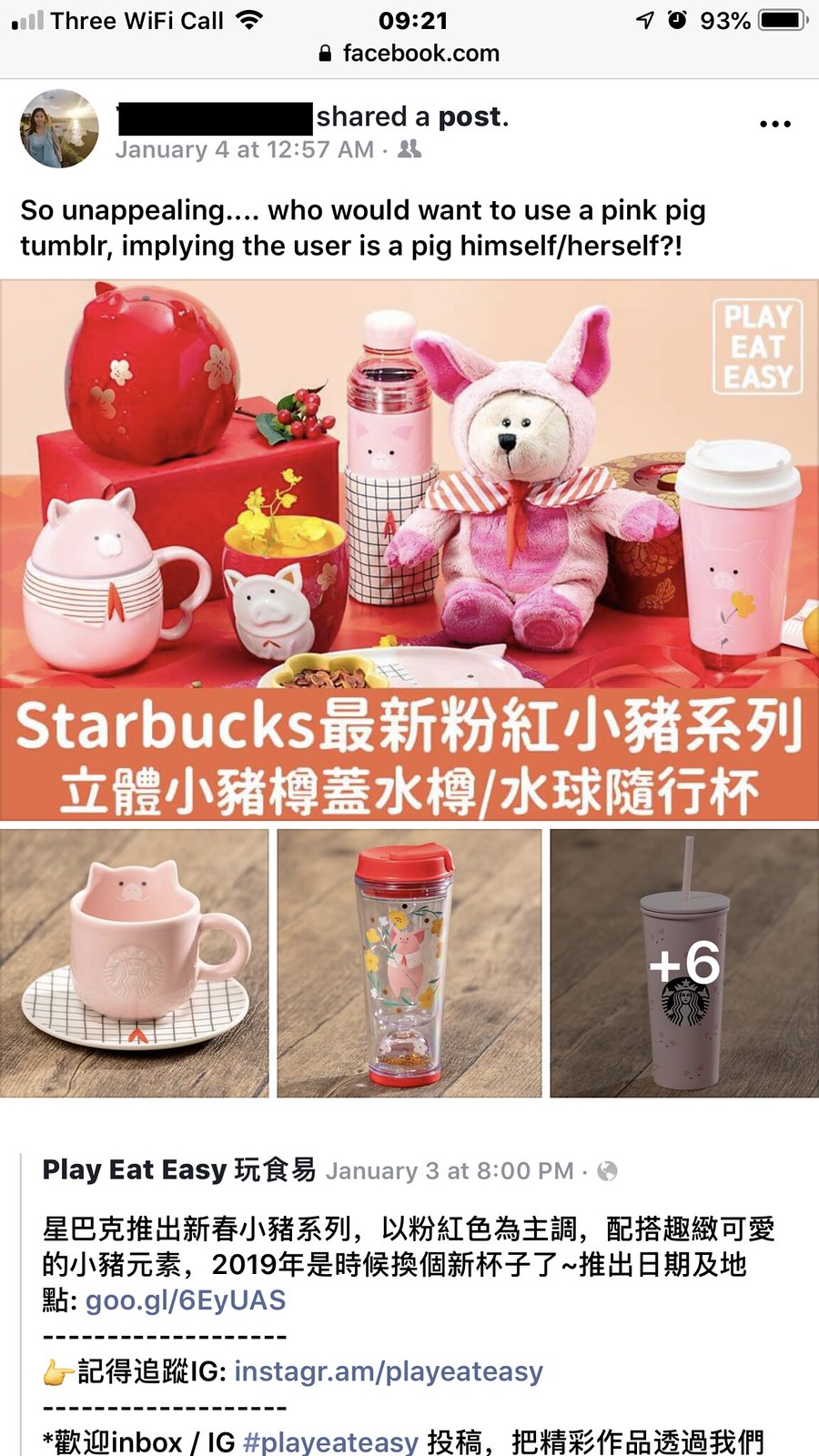
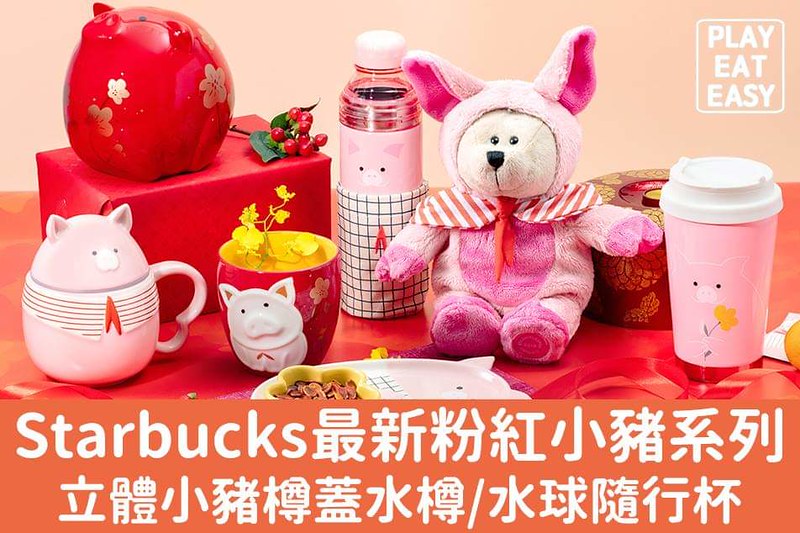
    Starbucks Hong Kong seems to have upset a small but significant number people who have shared their dislike on Facebook.

    Starbucks Hong Kong year of the pig (2019) merchandise

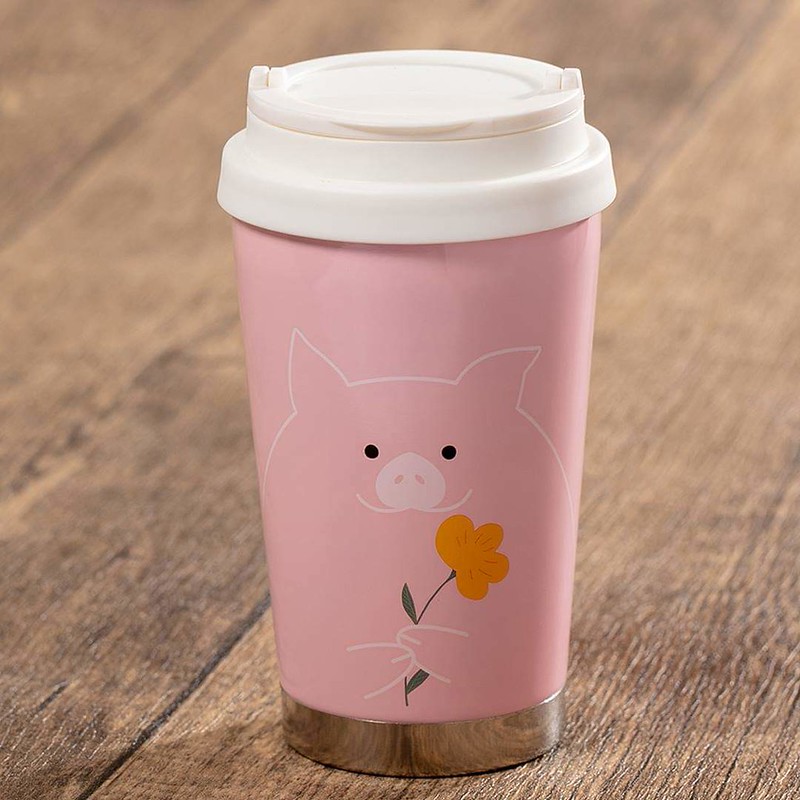
    They didn’t want a pig faced coffee tumbler because of what it implied about them whilst they used it.

    Starbucks Hong Kong year of the pig (2019) merchandise

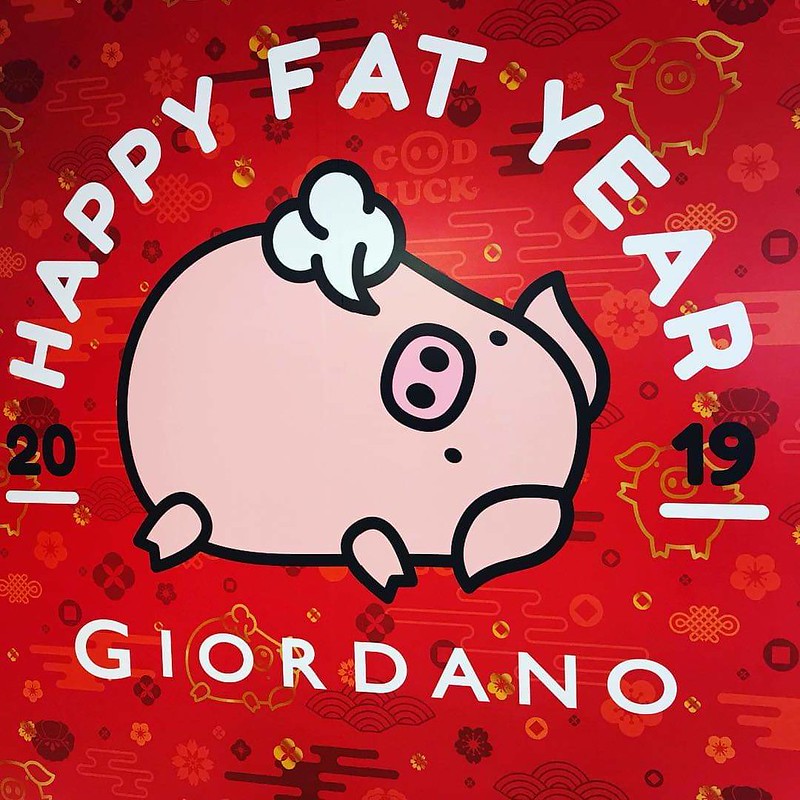
    Hong Kong clothing brand Giordano have played with the concept of the pig in their promotions. Again the association between this design on clothing and the wearer could be an interesting one. The idea of a fat year, meaning a prosperous year maybe lost in translation for some Hong Kongers.

    Giordano Chinese year of the pig 2019

    The key takeout for brands should be to practice critical thinking. They need to go beyond the cute design and repetition of last years gift with a different animal design. Think about the context and interaction of the end user with the product. What does the symbolism say about them? More related content here.

  • Siri vs Siri + more news

    Siri vs Siri: What Apple’s AI can and can’t do on every Apple device | Macworld – Siri vs Siri implies context based on device, but they need to raise the game in particular on the Mac. More related content here.

    How Russia’s ‘red tourism’ is luring wealthy Chinese visitors bored with Paris and Milan | South China Morning Post – Russian department stores TSUM and GUM become important for foreign Chinese luxury sales

    May braced for Unilever decision on headquarters | FT  – Unilever: ‘stichting’ up a move to the Netherlands, which would make sense. 100VE is a leased building, its overcrowded and a number of the people there were contractors like me. The team that I worked in had already upped sticks to the Netherlands with the roles moving but not many of the people were redeployed, let go or didn’t have their contracts renewed

    Millennial insecurity is reshaping the UK economy – interesting impact – not moving out of region to take a job like I did when I had a degree affecting productivity and entrepreneurship. One could see how Brexit will exasperate things further. It doesn’t imply that there will be a corresponding youthquake to overturn it at a later date

    The Case Against Google – The New York Times – the problem with Found’em and the way the story was started is that it came off a bit cray cray a decade ago when it first popped up. They weren’t cut from the same cloth as Silicon Valley wunderkinder. That and they looked like Microsoft finger puppets. You had the SCO vs. Novell court case over the future of Linux at the time and there was evidence of Microsoft’s finger prints all over it (via Wikipedia): “On March 4, 2004, a leaked SCO internal e-mail detailed how Microsoft had raised up to $106 million via the BayStar referral and other means. Blake Stowell of SCO confirmed the memo was real. BayStar claimed the deal was suggested by Microsoft, but that no money for it came directly from them. In addition to the Baystar involvement, Microsoft paid SCO $6M (USD) in May 2003 for a license to “Unix and Unix-related patents”, despite the lack of Unix-related patents owned by SCO. This deal was widely seen in the press as a boost to SCO’s finances which would help SCO with its lawsuit against IBM” – And at the time if it had the taint of Microsoft involvement that overwrote any Google wrong. People seem to have forgotten the Judge Jackson trial and what an evil sack of shite Microsoft was shown to be. It would have been really hard sell to the media

    NASA Is Bringing Back Cold War-Era Atomic Rockets to Get to Mars – Bloomberg

    Amazon is merging Prime Now and AmazonFresh – Business Insider – it should add clarity from a brand point of view as well. Now they just need to get the Prime Now app to work properly

    Apple in Talks to Buy Cobalt Directly From Miners – Bloomberg – sounds like a smart use of their capital pile given the rising cost of cobalt due to electric vehicle batteries

    Dr. Penelope Boston: “Seeking the Tricorder: The Hunt for Extraterrestrial Life” | Talks at Google – YouTube – interesting challenges in terms of identification, methodology and analysis

    APAC Millennials Lead for Sharing Branded Social Content – GlobalWebIndex Blog

    George Soros may invest more in fighting Big Tech – Axios – the noose is slowly tightening around big technology

    You can call me Al (but you really shouldn’t) – The overclaims of Artificial Intelligence « Comms Planning « Planning Above and Beyond – many technologies take a number of runs to get it right; machine language translation or VoIP being the classic case study. AI takes much more to get it right; this is a timely reminder that we are in an ‘AI summer’ at the moment and may hit an AI winter

    “Just an Ass-Backward Tech Company”: How Twitter Lost the Internet War | Vanity Fair – to be fair this is probably a similar situation with Facebook as well

  • CNY 2018 ads that have made my day this week

    CNY 2018 – Chinese new year of the dog.

    CNY

    Whilst Christmas is the big ad time in the UK market and the Super Bowl dominates American advertising – the Sinosphere is dominated by lunar new year. You see Chinese new year adverts (in the Motherland obviously), Hong Kong, Singapore and Malaysia. They are generally exceptionally sentimental and mawkish, but beautifully shot. It is a time for for family get togethers and when childhood memories are made. Things that symbolise Chinese new year include special food, getting given money in red envelopes and wearing new outfits for the first day of the new year.

    Here are some examples I have found of this years ads.

    KFC

    A film director goes back in time to see his younger self and tries to give him advice. I found this interesting given the Chinese government’s ban on time travel in dramas.

    Apple

    This was done for Apple China by Peter Chan and reposted on Apple Singapore’s social channels. They’ve done a really good job of capturing the gruelling journey home that many Chinese make every year.  Shenzhen’s main railway station is anarchy at this time of year.If this one doesn’t wring your tear ducts out you’re one heartless bastard.

    Digi Telecommunications

    A mobile carrier in Malaysia. the largest shareholder is Telenor. This one has a slight twist in the tail. I was expecting it to be a family matriarch – but it touches on wider connections and childhood memories. Education is much more highly prized in Chinese culture than British or Irish culture.

    Maybank – Malaysia’s largest bank

    Nothing quite like a bit of TVB style family melodrama to be squeezed into this four and a half minute film. A family in financial hardship gets pulled apart as the daughter grow up and ambition put a rift in the tight family unit.

    AirAsia

    My favourite one is this ad by AirAsia, who managed to weave in a deft bit of storytelling through the camera PoV and reference the symbolism of the Chinese horoscope for this year through the main character Ah Boy.

    More CNY related posts here.

  • The art of Charlie Chan Hock Chye

    Untitled

    Sonny Liew’s The art of Charlie Chan Hock Chye is the autobiography of a fictional comic book creator. It is also an illuminating history of Singapore and a clever exercise in multilayered storytelling.

    Charlie’s story takes you through his family’s history, growing up in a shop house run by his parents and his own life that largely stands still as an unknown comic writer.  It covers his disappointments in comic publishing and the decline in ‘pavement libraries’ as TV became an important form of information and entertainment. One of Chan’s comic book superheroes is a ‘night soil man’ who gets bitten by a cockroach and develops super strength and abilities. Until the necessary infrastructure was built out Singaporeans used to dispose of their toilet contents manually. They would be collected by a night soil man and driven for disposal in a lorry.

    Various life events of Chan are outlined; his parents selling the shop to pay for his father’s unsuccessful medical treatment in Singapore. The love of his life marrying a business man and an unsuccessful visit to ComicCon. All of this tangentially addresses changes in Singaporean society in terms of public housing, medical care and economic improvements. Chan’s failure reflects on what they author felt Singapore lost by not having this kind of critique.

    Through Chan’s comic stories we see a post-war Singapore lose respect for the British following their defeat by Japan and the path toward a post colonial future. The book takes an oblique but cutting tilt at the legacy of the People’s Action Party and Lee Kuan Yew and asks at the end what if things had turned out differently.

    Beyond the storytelling and the historic analysis of Singapore, the book is a homage to the greats of the comic book world:

    • Osamu Tezuka
    • Walt Disney
    • Will Eisner
    • Stan Lee and Steve Ditko

    Despite being relatively oblique in its critique of Singaporean history, the Singapore National Arts Council withdrew a grant $8,000 for the book. Citing “sensitive content” and its potential to “undermine the authority and legitimacy” of the government. Just a few decades earlier Liew could have received a stronger reaction to his work from the state.

    It leaves some interesting questions, Singapore has been a success growing from a post-war where much of the infrastructure was destroyed to an economic power house unlike any other country in South East Asia. Admittedly, it did much of this prior to the opening up of China; but it also didn’t enjoy the natural resources of its neighbours either.  Had Singapore missed out in this dash to economic success?

    The post-war change of sentiment towards fallible British rulers raises questions about whether a post-Brexit freebooting global Britain open for trade will be successful in the face of 7 decades of diminished responsibility and respect around the world?