Category: gadget | 小工具 | 가제트 | ガジェット

What constitutes a gadget? The dictionary definition would be a small mechanical or electronic device or tool, especially an ingenious or novel one.

When I started writing this blog the gadget section focused on personal digital assistants such as the Palm PDA and Sony’s Clie devices. Or the Anoto digital pen that allowed you to record digitally what had been written on a specially marked out paper page, giving the best of both experiences.

Some of the ideas I shared weren’t so small like a Panasonic sleeping room for sleep starved, but well heeled Japanese.

When cutting edge technology failed me, I periodically went back to older technology such as the Nokia 8850 cellphone or my love of the Nokia E90 Communicator.

I also started looking back to discontinued products like the Sony Walkman WM-D6C Pro, one of the best cassette decks ever made of any size. I knew people who used it in their hi-fi systems as well as for portable audio.

Some of the technology that I looked at were products that marked a particular point in my life such as my college days with the Apple StyleWriter II. While my college peers were worried about getting on laser printers to submit assignments, I had a stack of cartridges cotton buds and isopropyl alcohol to deal with any non catastrophic printer issues and so could print during the evening in the comfort of my lodgings.

Alongside the demise in prominence of the gadget, there has been a rise in the trend of everyday carry or EDC.

  • Apple iPod HiFi – throwback gadget

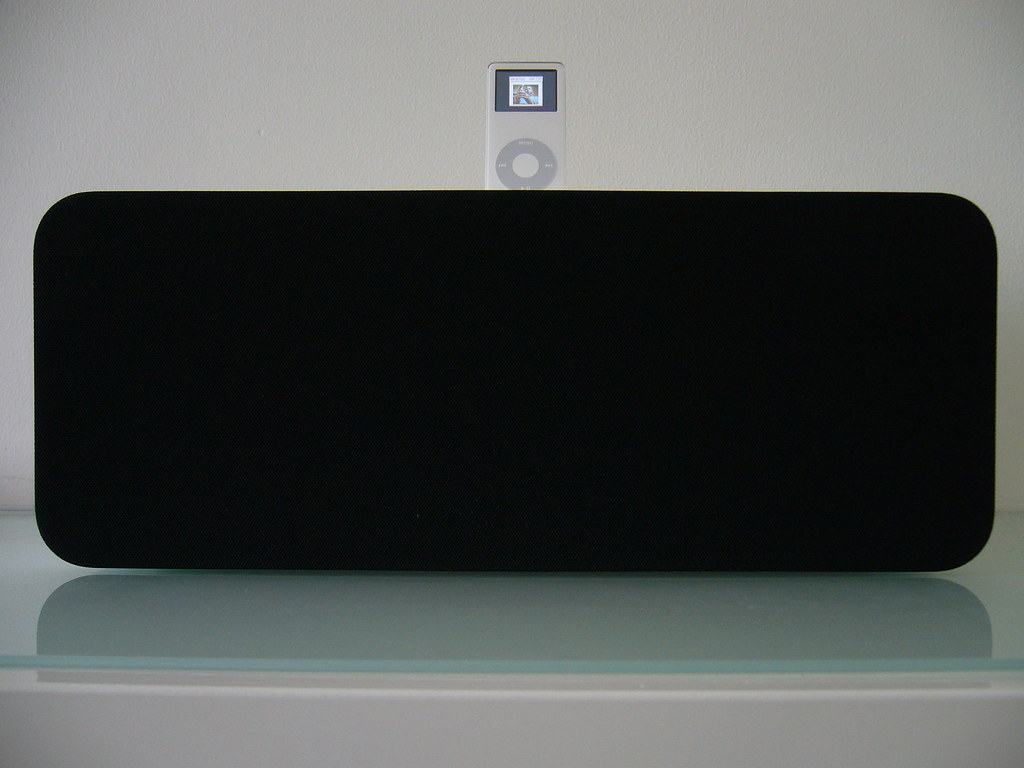
    Introducing the Apple iPod HiFi

    Now and again Apple makes some odd diversions in direction and focus. One of these was the Apple iPod HiFi. The best way to describe it is imagine of Dieter Rams had made over one of Panasonic’s old RX DT75 with the motorised ‘cobra’ top. Which is why it made my blog as a throwback gadget.

    It will take a stack of D-cells like a traditional boom box. The speaker arrangement and handle on each end reminded me of iconic 80s boombox the Hitachi TRK 3D8 portable stereo. Holding it reminds me of lugging one of those round in the back of my first car on long trips, because my car didn’t have a radio or cassette deck, let alone a CD player.
    iPod Hi-Fi

    How hi-fi is it?

    The HiFi as in high-fidelity in the name Apple iPod HiFi is a bit of a misnomer, but it does a very good job on the electronica that I tend to listen to at home. It’s sound isn’t coloured per se, but it does a better job of some genres than others.

    If you like a string quartet playing classical music, it probably isn’t the device for you. But then neither would a Bose Wave either, which would be the obvious competition.

    As with most Apple products there were design details all over the box. It sits on a rubber pad that covers most of the box length with iPod written in the middle, despite the fact very few people will ever see it.

    Many people decried the Apple iPod HiFi for its lack of features, but it was designed as an appendage to the iPod rather than a device in its own right. I use the line in on it to act as an occasional sound bar to the television which it does an adequate job of. Apple discontinued it just over a year after it was launched and now they can found occasionally on eBay. More gadget related content here.

  • Android moves to life OS

    If you read the Telegraph online last Wednesday 25th or the Financial Times on Thursday 26th June,   you would have seen some great coverage about Google’s developer conference with Android’s move to become a life OS. There was also coverage about the corresponding rise of the Android economy in the UK. Like iOS and web development, software and services are now a major part of the creative economy.

    Google announced developments to move Android to being a ‘life’ OS rather than just a mobile OS.

    Android expanded to a true life OS across numerous hardware platforms:

    • Run wearable devices
    • Run applications within Google’s lightweight desktop OS chrome
    • Be a games console platform
    • In-car entertainment
    • Take another run at the smart TV market
    • Lowering the price-point of smartphones even further with AndroidOne

    All of which presents a range of interesting choices for the UK’s Android platform developers.

    What does this mean for app-enabled brands?

    Google has created more choice and there will be the inevitable surge of experimentation to figure out what works.

    The expansion of Android presents a more challenging time for marketers. There will be more platforms to develop for; since iOS cannot be ignored as a platform. There will be a corresponding complexity in the development of Android applications:

    • Increased application testing time
    • Increased application development
    • Increased application maintenance time to cater for new devices and firmware updates
    • Increased requirement for application marketing support to encourage app downloads and usage across platforms
    • Increased budgets will be required to support new platforms where consumers will start to expect to find brands they use

    There will be a corresponding increase in new risks that these applications bring which will require careful communications planning and preparation:

    • Software rendering hardware useless – ‘bricking’
    • New versions of applications no longer supporting older versions of Android / Android devices – particularly as different manufacturers update their hardware at different rates. Some cheap smartphones may not have any upgrade path. Now imagine this on televisions or car dashboards…
    • Hacking attacks | cybercrime
    • The withdrawal of a well-loved app
    • The poor reception of a newly-designed application

    Who will lose out?

    The most obvious casualty of this move is not Apple or Microsoft but the Java language that Android’s application language is very similar to. Java was touted in the mid-1990s as a write-once, run-anywhere development language and pops up in surprising places. A variant of Java ran most of the pre-iOS smartphone games. It provided a development environment for early web applications including those used in the enterprise. Java had developed a strong footprint in consumer electronics that Android is now looking to usurp.

    Microsoft would be more threatened by Google’s integration of its internet services into Android. Gmail has become a development platform in its own right and Google is providing enterprise users with unlimited storage for $10 a month. Whilst Microsoft has failed to build a serious mobile platform, its web services business has been growing rapidly to challenge Amazon. Every part of that business, from Azure cloud computing to hosted Exchange server functions, is threatened by Google’s recent announcements. Neither Microsoft nor Sony will be particularly worried by Google’s plans for an Android-powered games console, at least for now.

    Companies in the wearables sector are likely to face rapid commoditisation in hardware as Android makes it easier to design wearable hardware. The challenge will be if they can differentiate on superior industrial design and maintain a premium price, or move into providing web services that support compatible devices – a direction where Nike seems to be moving with its Nike+ Fuel Lab.

    The closer integration of Samsung and Google’s development efforts including the integration of KNOX, puts other Android handset manufacturers like LG, Sony and HTC at a further disadvantage.

    The integration of KNOX will also affect the core enterprise business of BlackBerry, providing yet another reason for not purchasing BlackBerry devices or server software.

    Who will benefit from this life OS?

    With such a wide range of devices that Android could develop for, software testing will become an even more daunting prospect than it is already when developing for Android smartphones and tablets. The question is whether the current range of testing tools will cover this new product set adequately or if there is an opportunity, particularly in the enterprise environment for new players?

    Designers are going to be tremendously important, as new versions of the Android software and new use cases pose a number of user experience challenges:

    • Redesigning current apps to match the new flat design of Android
    • Understanding user behaviour and designing compelling smart TV applications
    • Understanding in-car entertainment and designing intuitive, unobtrusive in-car experiences
    • Understanding wearable use cases and designing device experiences that consumers don’t want to put down

    A wider range of Android devices will mean a greater potential market opportunity for ARM-powered chips where they may be going into embedded systems previously powered by lower power X86 processors, PowerPC or MIPS RISC processors.

    Google is a technology company that makes most of its money from customer data and selling advertising space. The expansion of the Android ecosystem will present more advertising formats, inventory and more contextual data. This will be a boon for media buying agencies and potentially for the platforms that support programmatic advertising like DataXu, as the data will help support targeting in real-time bidding. More wireless related posts here.

    More information

    ‘Powerhouse’ UK leads Europe app development, says research | FT (paywall)
    Android TV hands-on: Google makes a new play for the living room | The Verge
    Google announces Drive for Work with unlimited storage at $10 a month | The Verge
    Google Opens Gmail, Making It More of a Platform for Developers | WSJ
    Google previews Android apps running on Chromebooks | TNW
    Razer’s making a gaming ‘micro-console’ with Android TV, available this fall | Engadget
    Google Introduces Android TV, Its New Platform For Smart TV Apps And Navigation | TechCrunch
    Google Unveils Ambitious Android Expansion at Conference | New York Times
    Nike+ Developer Portal

  • Retro phones: the new trend?

    Retro phones take off apparently

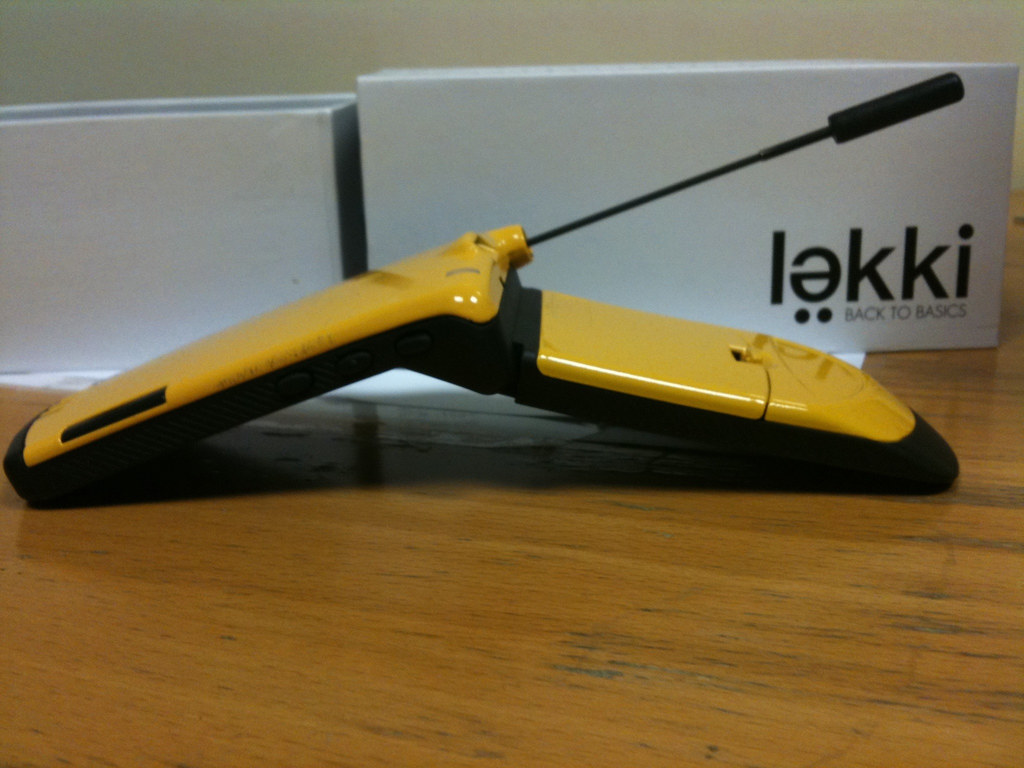
    The South China Morning Post wrote an article about what it perceived as a rise in usage of feature or retro phones. The article cited Lëkki as an example of such handsets becoming trendy, rather like retro re-issues of Nike Air Jordans or the adidas Originals range.
    Untitled
    In reality:

    • This isn’t a new trend, UK site, Retro Fones have been going since the mid-noughties, vintagemobile.fr and Lëkki has been around since 2009 and 2010 respectively. There are have been eBay stores going even longer specialising in supporting Nokia’s 6310i for well over a decade – since retro phones nature of these models of handset worked so well for business travellers. The 6310i and related models of retro phones (6110, 6150, 6210i and 6310) had a reputation for reliability, being hard to damage and connectivity. Add to that early support for Bluetooth, iRDA and a 400+ hour battery life. Which is why Mercedes Benz included these retro phones in its S-class range until 2006. 
    • It isn’t as big as the article would make one believe, this is a small craft business at best, it would make vinyl records and print photography look like major corporate concerns in comparison
    • It does highlight a number of weak points in smartphones. The designs don’t cater for self-expression, they don’t provide a ‘switch-off’ button from their electronic lives, they aren’t perceived as being robust, their battery lives are poor, they aren’t a convenient size for everyone and their call quality leaves much to be desired
    • Network technology is changing which will ‘brick’ these old cellphones once and for all. A move away from 2G networks to give spectrum to 3 and 4G technologies in developed markets effectively kills off these phones

    Probably one of the best options to get the benefits of a feature phone is Nokia’s 515, which looks like a traditional candy bar phone and supports 3.5G networks. Supplies are apparently thinning out, but you can still get one new for around 100-115GBP on eBay. More related content here

    More information

    Dig out that Nokia 3310: What’s old is new again as vintage mobile phones take off | South China Morning Post (paywall)
    vintagemobile.fr
    Lëkki
    Retro Fones

    Need a status update? Get an antiquated Nokia handset | FT

  • Beats + Apple post

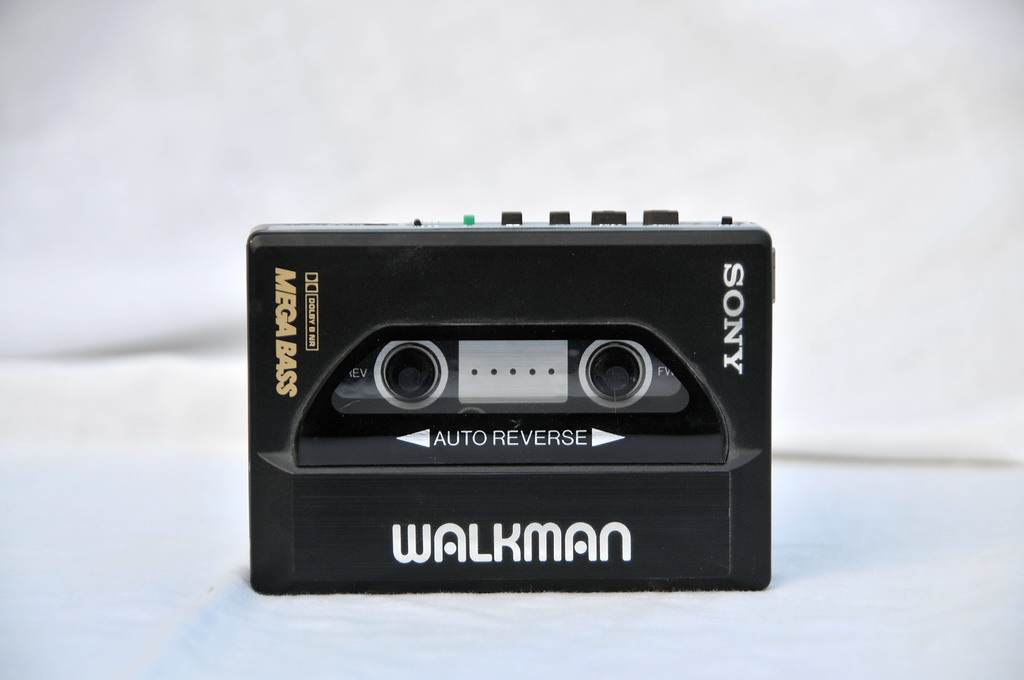
    Before Beats there was Mega Bass

    Before you can talk about Beats, you need to go back into the history of consumer electronics. If you had a Japanese made personal stereo in the 80s through to the early noughties the words ‘Mega Bass’ meant something. It was printed on everything from clock radios and boom boxes to personal cassette and CD players.
    Sony Walkman WM A602
    It was the button you pressed to give the bottom end of the music you listened to more umpf.

    Different Japanese companies had their own spin on it. I remember Hitachi luggable cassette systems having ‘3D Bass’ or a ‘3D Woofer’ label on the speaker grill to highlight their sonic capabilities. Aiwa had personal stereos with a more sophisticated bass function on them called DSL.

    Before Beats – Boodo Khan

    Sony took this experience to its logical conclusion with the Sony Boodo Khan Walkman (DD-100) and its matching headphones (DR-S100). This was designed to provide dynamic bass amplification, a function that Sony previously had developed for high-end hi-fi’s. The DD-100 used a system called DOL.
    Sony DD100 Boodo Khan reproduced from Sony's 1987 product brochure
    The Beats brand replicates the less sophisticated Mega Bass feature in the headphones rather than the smartphone or iPod to which they are attached. From a design point of view this approach makes perfect sense. However the science of personal bass amplification doesn’t seem to have moved on much from the late 1980s. Any pair of Beats that I have listened to boom on the bottom end and sound ‘muddy’ higher up. Beats headphones sound less clear to me than the original Sony Boodo Khan combo from two decades ago, despite the advantages of digital technology.

    Why Beats?

    So why would Apple care about possibly acquiring Beats?

    • Buying Beats takes the brand off the table for both PC and mobile device manufacturers. H-P  used to have Beats as a feature on some of its laptops as did HTC smartphones
    • Apple buying Beats at a premium price would raise the acquisition cost of other businesses that have a unique offering to augment the mobile experience. It’s cash mountain gives Apple cheap capital and such high acquisition costs could be a barrier to entry for the likes of Lenovo or Huawei
    • Buying Beats takes a subscription-based music platform off the table, the team could be used to strengthen a future iTunes subscription product or simply open doors in the music industry wider for Apple. Tim Cook is not the media mogul that Steve Jobs was, he doesn’t have the Pixar studio that made him the peer of other media companies
    • Beats is a premium priced brand, it has a good fit in its hardware alongside many Apple products
    • Beats gets a different demographic of music lover. EDM has put dance music back on the map commercially and is now more important to Apple
    • Beats may provide Apple with an alternative brand to go into new media and product areas that would benefit from its urban and dance music caché

    Whilst Apple has done a good job of getting a lot of dance back catalogue into its library, problems remain with regards dance and urban music consumption patterns and iTunes. It is probably no surprise, given that Apple was more comfortable having The Pixies as the soundtrack to it’s latest advertisement rather than say Skillrex.

    If one looks at the way Apple iTunes treats ‘DJ’ artists like DJ Honda or DJ Shadow and bands with ‘The’ in the name like The The or The Bar-Kays  you can see that they didn’t think about dance music in their design to the extent that they should do. All ‘The’ bands are treated alphabetically so The Beatles would go in the B-section after The Beach Boys but before Bomb The Bass. By comparison all DJ artists are grouped together.

    Other examples of the way iTunes doesn’t get dance music is that you can’t get music in the way that you would buy it in a shop:

    • You can’t sort or search by record label
    • You can’t sort or search by remix producer

    Dance music generally isn’t like other genres, the band may not be the hero. Labels have their own ‘sound’, the educated consumer knows roughly what to expect looking at the label whether it was Tamla Motown, Salsoul or Horse Meat Disco. Remix producers like Tom MoultonSasha, Tony De Vit, Todd Terje or Skillrex all had their followers looking to buy their latest work.

    Lastly and probably most importantly, dance music and urban music has been the place were many niche competitors like Bleep.com and Beatport have managed to build niche, but profitable footholds. This also indicates that there could be opportunities for direct Apple competitors. More related content here.

  • Luxury assets + other news

    Luxury assets

    Super rich get to cash in on luxury assets | CityAM – interesting move putting luxury assets as a financial instrument basically. The luxury assets mirror similar secondary markets in street wear. Some luxury assets make sense like rare watches or fine art. It also probably says something about the values of stocks, bonds and currency? Hot money is chasing opportunities for investment that aren’t over-inflated, hence luxury assets

    Business

    Executives in China earning more than their companies | WantChinaTimes – part of a culture of making money today as you don’t know what tomorrow may bring

    Time to bid farewell to Barbie, say China’s toymakers | WantChinaTimes – China needs to move up the food chain to be competitive, no longer lowest cost manufacturing base

    To surf or not to surf? That is the question – interesting take on Yahoo!’s finances by our Nigel

    Apple’s Profit Still Climbs, but Pressure is Growing – NYTimes.comIf Apple grew the next five years like it did the previous five years, it would be approaching the G.D.P. of Australia

    Qualcomm Slips: FYQ2 Rev Misses; Raises Year EPS View | TechTraderDaily – not terribly surprising given that Chinese smartphone sales volumes were down

    Government Clampdown Trips Up Sina | Young’s China Business – this has been astounding

    Alibaba buying stake in Youku Tudou, a Chinese Web TV company, for $1.2 billion | NY Times – it is Jack Ma rather than Alibaba but you get the gist from the headline, not sure how good a deal it is for him now that the Chinese government is banning some of the most popular content on these streaming channels like Big Bang Theory

    The smart businesses are investing in things that will make your clients obsolete | Advertising news | Campaign – digital isn’t just about data and business models but disruptive non-hierarchical networks of people. Hasn’t it always been?

    Consumer behaviour

    Global Automotive Demand: Spotlight on China | Nielsen

    Taiwanese ‘chameleon’ workers vs Chinese ‘tigers’|WantChinaTimes.com – Taiwanese employees, generally speaking, can be characterized by make efforts to fit in and fulfill work commitments, while their Chinese counterparts think more about “winning,” and how best to earn money and be successful

    What do you get if you cross a suitcase with rollerblades? » The SpectatorThere are several reasons why video-conferencing has been so slow to take off. In the business world, it was mistakenly sold as ‘the poor man’s air travel’ when it should have been positioned as ‘the rich man’s phone call’. But in the home setting, I think there is another problem. Bluntly put, video-conferencing on a PC or mobile phone fails because we just don’t like many people enough to want their face within two feet of our own.

    Economics

    Requiem for the Middleman | Slate – interesting critique of the sharing economy

    Amazon and the Squeezing of the Middle Class | Gawker – Amazon eating its own customer base?

    Ethics

    Are US universities are choosing rich Chinese students over Asian Americans? | Quartz – not so sure about the racism of US universities but wealthy Chinese families sending their kids is on a definite growth spurt

    Is the DOJ Forcing Banks to Terminate the Accounts of Porn Stars? | VICE News – regardless of the moral aspects of the industry, what is interesting is the extra-judical nature of the way the accounts are closed down. What happens when they start using this as an economic weapon to protect strategic US business interests…

    FMCG

    UK Tea Tastes Turn Premium | EuroMonitor International – interesting to see, especially with Premier Foods having had poor financial results this week

    Gadgets

    Huawei sets sights on Samsung, aims to rule 4G era | WantChinaTimes – Shao Yang has big dreams. Huawei phones would need to improve software, hardware and online services in order for this to happen. At the moment from a technical and design point of view they don’t compare to the likes of Oppo, Xiaomi, Samsung or Apple. In addition, Huawei would need to do a 180 degree turnaround on brand marketing and advertising which is only likely to happen over Mr Ren’s dead body. Mr Ren is said to believe that the best advertisement for Huawei is its people which is fine when you aren’t marketing consumer goods

    Nike CEO Confirms Move Away from Wearables“I think we will be part of wearables going forward, it’ll be integrated into other products that we create.” – doesn’t really sound like a move away, but a change in tack, wearables become hygiene rather than a product category?

    Innovation

    Apple filing points to ‘next big thing’ | FT Tech blog – 2.8 billion dollars put aside for whatever new thing is going into the pipeline

    Japan

    Race against the clock: Shinkansen staff have just 7 minutes to get bullet train ready to ride | RocketNews24 – really interesting bit of process design

    Journalism

    Felix Salmon is leaving Reuters for the Fusion network because the future of media is “post text” – a loss for Reuters as Salmon has a great understanding and opinionated view of the sector. Not so sure about the ‘post text’ explanation, I presume they mean programmes on the wireless or them new fangled ‘talkies’ that they show at the cinema filmed in Hollywood

    Luxury

    Fake luxury goods market in China moves to WeChat | WantChinaTimes – no real surprise

    Hermes holds first sale in China as frugality drive bites | WantChinaTimes

    Why Burberry’s ‘Unusual’ Tmall Shop Is A Savvy China Move – because Alibaba owns e-commerce in China

    Marketing

    Is OnePlus a wholly owned subsidiary of Oppo? Chinese document suggests that the answer is yes – this is interesting, particularly as OPPO is as smart a brand marketer as you have in China

    BlueFocus chief Oscar Zhao outlines global ambitions | PR Week – 30 per cent revenue from overseas or 900M USD annual billings by 2022

    Media

    Guangdong TV and radio broadcasters form conglomerate | WantChinaTimes – interesting media consolidation moves in China

    China’s censors order 4 US shows to be taken off streaming sites

    Mindshare launches The Loop | Marketing Interactive – this is interesting; real-time marketing a la the Oreo black out becomes a service sold around events on a Regus serviced office-type model

    Facebook Beats In Q1 With $2.5B In Revenue, 59% Of Ad Revenue From Mobile, 1.28B Users (Josh Constine/TechCrunch) – how much of this revenue is from contextual marketing and how much is from app installs? If the focus is the latter it could be like the business of selling McMansions during the US property boom – wait for the bust…

    WeChat To Launch Self-Serve Advertising System In Weeks — China Internet Watch – this is a really big deal

    Online

    Vladimir Putin Wants His Own Internet | Slate – interesting less because of the geopolitical theatre than it represents the kind of existential threat that the cloud faces as a business model and the balkanisation of the Internet due to security concerns from ECHELON to Snowden and beyond

    Retailing

    8 Things Most People Don’t Know About Amazon’s Bestsellers Rank (Sales Rank) | MakeUseOf – as important as SEO to sellers

    $45 a Month for Unlimited Coffee | Slate – this needs to come to London and Hong Kong pronto

    华为商城官网 -华为官方电子商务平台,提供华为手机(华为荣耀3C、畅玩版、3X、X1、P6等)、平板电脑、移动终端等产品。 – Huawei’s new direct e-tailing channel for China, also features opportunity for customer feedback. I guess trying to be Xiaomi with Huawei sensibilities

    Security

    The Internet Is Being Protected By Two Guys Named Steve | Buzzfeed – surprisingly readable Buzzfeed article on the developers behind OpenSSL

    F.B.I. Informant Is Tied to Cyberattacks Abroad | NY Times – FBI sanctioned hacking overseas to gather intelligence?

    Software

    When Orange is not Just a Colour, and Other Challenging Queries | Brandwatch – great post on honing searches

    Design News – Automotive Infotainment Still ‘Bugs’ Luxury Vehicles – it scares me that this is becoming more pervasive

    Study: Samsung’s Apps Are Ubiquitous but Unloved – Digits – WSJ – the most damning number here has to be the percentage usage of ChatOn – given that OTT messaging platforms are currently the hot thing in mobile apps. Even in Korea KakaoTalk would be kiling it, maybe it would make sense for Samsung to buy some great Korean companies like Sentence Lab and Kakao Software

    Space

    Lunar Orbiter Photo Gallery – from the original NASA missions of 1965 and 1966

    Technology

    Micro-Robots Are Scary Awesome | Hack A Day – these could be more interesting than 3D printing for manufacturing

    IBM unveils Power8 and OpenPower pincer attack on Intel’s x86 server monopoly – interesting that the focus isn’t necessarily computing power per watt of energy expended

    I, Cringely Digital Me: Will the next Cringely be from Gmail? – I, Cringely – is Google using the mail provider for machine learning as well as advertising?

    Telecoms

    China Now Has Over 250,000 4G Base Stations | ChinaTechNews

    The US just isn’t that important of a market for Huawei, after all | Quartz – but Europe is critical

    Web of no web

    Russia’s Hoping to Make Its GLONASS Positioning System a Competitor to GPS | Motherboard – this could be interesting if one cross-referenced Galileo, GLONASS and GPS

    Wolverton: Smartwatches show promise, but need work – SiliconValley.com – it is very early days with wearables yet

    Digital Mapping May Be Nokia’s Hidden Jewel – NYTimes.com – Microsoft wanted to buy Here and failed why would Nokia sell? More likely the company gets bought and broken up for resale. More related content here.

    Wireless

    How do Chinese Phones cost so little? The reasons why availbility is an issue, demand is high and prices are low – Gizchina.com | Gizchina.com

    It’s mostly Android deserters who buy cheap iPhones | BGR – interesting that Apple is getting Android transfer rather than feature phone users