Category: london | 倫敦 | 런던 | ロンドン

Why London?

First of all I live in London, I put down my roots here because of work. Commuting from the outside towns into the city takes a long time. People only tend to do that when they don’t have to come in every day or getting their kids into a good school is important for them.

Secondly it is an area distinct from the rest of the UK, this is partly down to history and the current economic reality. It is distinct in terms of population make-up and economic opportunity. London has a culture that is distinct from the rest of the UK, partly due to its population make-up. Over 30 percent of the city’s inhabitants were born in another country. From music to fashion, its like a different country:

  • As one women’s clothing retailer once said on a news interview ‘The further north you go; the more skin you see’.
  • The weekend is a huge thing outside the city. By comparison, it isn’t the big deal in London. The reason was that there were things you could enjoy every night of the week.
  • You can get a good cup of coffee
  • The city was using cashless payments way before it became universal elsewhere in the country
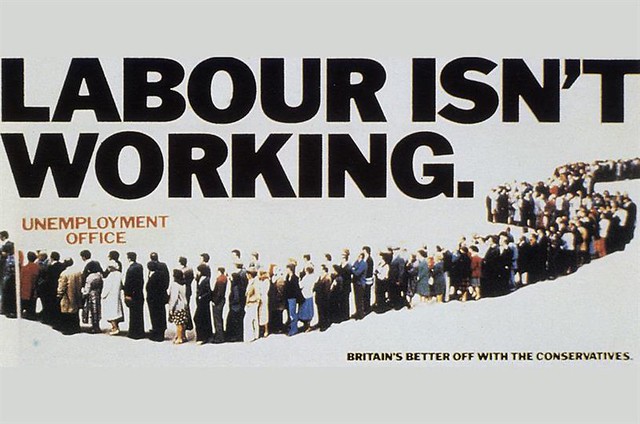
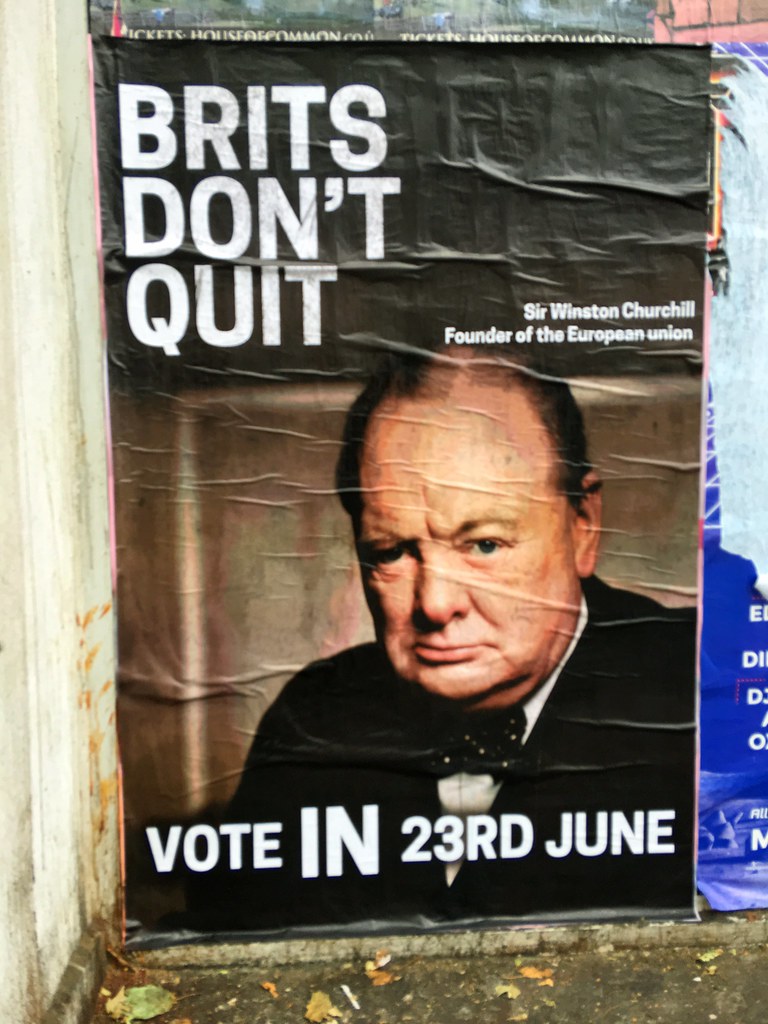
  • The line has extended into politics. London opposed Brexit. London, like other major cities it is one of the last holdouts of Labour party support in the 2019 UK general election

London posts often appear in other categories, as it fulfils multiple categories.

If there are London subjects that you think would fit with this blog, feel free to let me know by leaving a comment in the ‘Get in touch’ section of this blog here.

  • Velvet by Brubaker & Breitweiser

    Velvet is the antithesis of mainstream comics. In a world of Marvel-dominated culture, it is hard to imagine more realistic material. Ed Brubaker got the freedom to publish Velvet after several years at DC, Vertigo and Marvel.

    Velvet is a welcome antidote to the superhero genre of graphic novels. Instead, you get a cold war era spy drama with modern storytelling. Velvet tells the story of a middle-aged Anne Bancroft-like secretary and one-time agent. The story gets going when she is set up for murder by persons unknown.

    In this respect, it outlines the kind of spy plot that would be familiar to readers of Len Deighton or Alistair Maclean. Brubaker’s choice of the early 1970s goes back to a pre-cellphone and computer age. This provides him with a broader canvas to work with.

    The story feels modern in its non-linear narrative that moves back and forth between 1956 and 1973. The story zips through Europe across both sides of the Iron Curtain as Velvet tries to find who set her up. The comic features highly kinetic action reminiscent of Matt Damon-era Jason Bourne.

    The first two volumes of it are available here and here. Volume three is due out in September. More book reviews here.

  • Granny’s Got Talent

    Granny’s Got Talent – The Korean Cultural Centre has a fortnightly screening of films. The latest one that I went to was Granny’s Got Talent or 헬머니 (pronounced Helmeoni – a literal translation would be Hell Granny).

    The premise is built around an old woman who is released from jail. She lost contact with her eldest son and tries to build that connection whilst living with her youngest son. The eldest son is a salary man with an over-bearing set of rich in-laws. The youngest son an inveterate gambler. To bail the youngest son out of trouble she participates in a Korean reality TV show based around cursing and chaos ensues. Veteran Korean actress carries off the role of Hell Granny with aplomb. I laughed so hard at some points I ended up crying.

    The raucous bawdy humour of Granny’s Got Talent works despite subtitles and has some amazing comedic set-pieces. But this rudeness is only the top layer in the story, where the viewer gets a glimpse at the hard life a strong woman had to live in a fast-developing South Korea.

    The film works on a number of levels touching a number of distinctly  Korean themes including the obsession with hierarchy, its turbulent political past, the corrupt aspects of chaebols and the love of family (no matter how dysfunctional).

    The piece that British audiences will most relate to is the exploitative nature of reality TV formats. Something that the English title translation picked up, rather than going with a literal translation of the Korean ‘Hell Granny’. ‘Hell Granny’ as a title focuses on the profanity. When I was young someone who swore or used bawdy language was said to have the mouth of a washer woman – a low class blue collar job. For more Korea related posts, go here.

    More Information
    Movie page on Daum in Korean

  • Hacks and Hackers notes

    I went to the Hacks and Hackers London presentations this evening host at the Institute of Directors and here is a summary of the notes that I made.

    Presenting at Hacks and Hackers this time was:

    • Simon Rogers
    • Kate Day

    Simon Rogers is ex-Guardian and Twitter. He talked about how Google uses Google Trends, combining it with third party data such as information from the likes of Associated Press. They build some nice visualisations around them. Most of the data that they used was basically the same data that consumers had access to through the Google Trends tool. Google seem to deliberately restrained in terms of the data that they could deploy on this, but they did work on tightening up and redefining regions from the way their internal data held it to the way it related to the real world.

    There was some nice work done that looked at associated search terms that came up by people who searched for US presidential candidate names. It reminded me of the work that Hunch did around consumer behaviour patterns and likely political beliefs – but less sophisticated. (Hunch was bought by eBay and eventually shut down).

    Kate Day talked about the launch of US site Politico in Europe. The business had a split business model with a B2B subscription offering that provided European Parliament intelligence. and a more conventional consumer advertising audience model which targeted people who were professionally interested in European parliamentary politics.

    From an editorial point of view stories which drove big peaks in traffic often brought in the wrong kind of audience who either wouldn’t be likely to return, or ‘get’ the content on offer.

    Targeting on social media was purely done through careful selection of the copywriting, which requires professional knowledge and a desire to self select as a ‘policy wonk’ rather than using Facebook or Twitter’s ad targeting mechanisms. In common with other subject areas regular coverage of a beat area matters to drive continued engagement. Politico has managed to get UK press scoops by showing up at all the press briefings in Brussels rather than following the British eurocrat events – this probably says a lot about the small size of teams that other national news outlets have operating there.

    More media related topics here.

  • People that have made my year

    2015 has been a year of constant change. Here are the people that have made my year. From winning the global Huawei smartphone business, launching New Balance Football and making margarine more digital. There were also low points like going through the pain of working on Huawei yet again. Also Racepoint Global’s financial position meant that I and other senior staff were let go from the London office:

    My good friend and go to creative Stephen Holmes at Bloodybigspider whose office in Whitechapel I had access to during the autumn

    Ian Wood with whom I shared coffee and ideas  throughout the year

    The team at Mullen Lowe Profero who have helped me get to grips with a number of projects that I picked up in mid-flight whilst working at Unilever. This included media buying best practice, a global website template, an ad for the Mexican market and assets for an interim UK website.

    Haruka Ikezawa who was my desk mate and creative sounding board at Racepoint. Haruka is a multi disciplinary creative who can turn her hand to illustration, animation, video editing and graph  design. In her spare time she also drums with a couple of bands.

    My good friend Cecily Liu at China Daily, who is always a great source of intellectual discussion

    Luke Zak who drove a lot of the work on New Balance Football through his love of the beautiful game and deep knowledge of working with sports star talent. Luke had previously worked on adidas and Visa’s sponsorship programmes.

    Vicky Neill who shared many of the highs and lows of pitching and driving campaigns for Huawei. Vicky is based in Hong Kong and we used to work at Racepoint Global together.

    More marketing related things here.

    Those are the people who have made my year; who are the people that made yours?

  • The limits of digital

    A few articles that I read over the past few days highlighted the limits of digital. The FT published an analysis on the modern problems that digital has wrought on the advertising industry.

    Jeff Goodby, chairman of Goodby, Silverstein & Partners – a successful longtime American advertising agency said:

    In the past, he said, the only true measure of success was whether the public knew and cared about your work. “You could get into a cab and find out, in a mile or two, whether you mattered in life, just by asking the driver.” Now, “No one knows what we do any more.”

    In essence advertising campaigns had lost talkability, positive brand associations and long term memorability – the kind of things that you would think of being important in terms of marketing’s role in brand building. Digital has worked in performance marketing, brand building shows up the limits od digital

    Brands, particularly emerging brands like designers have it as bad as advertising agencies, here’s fashion site Man Repeller on the challenges of building a brand:

    When I first started working in fashion retail, coming from a fine arts background, I thought it would be completely different. Working with the clothes but also seeing the way it had to recycle every six months got me thinking about the branding that gets pushed upon designers. I think it happens in all creative fields because of social media. I see it with a lot of my peers. We see the same obsession with youth — young painters — in the art world that you have in fashion with young designers, the same pressure for a cohesive vision. At 25? Nobody knows what they’re doing at 25. And that’s totally fine. You’re still finding yourself. And there has to be more room to find yourself when you’re young as opposed to this pressure to emerge as a fully formed Greek myth coming out with her uncracked egg, or whatever.

    Which impacts the kind of businesses likely to grow in the future. They are likely to be ‘culturally stunted’.

    The noisy environment of social has meant that brands are also distorting themselves to get cut through, Vice magazine covered what can only be described as sociopathic brand personalities of independent coffee shop chains in London.

    Or Instagram baiting street side billboards like a pub landlord who misquotes Enoch Powell and thinks that the National Front aren’t serious on race issues

    More digital related posts here.

    More information
    How the Mad Men lost the plot | FT
    MR Round Table: The Burnout Generation – Man Repeller
    London Is Tearing Itself Apart Because of Coffee Shop Sidewalk Signs | VICE